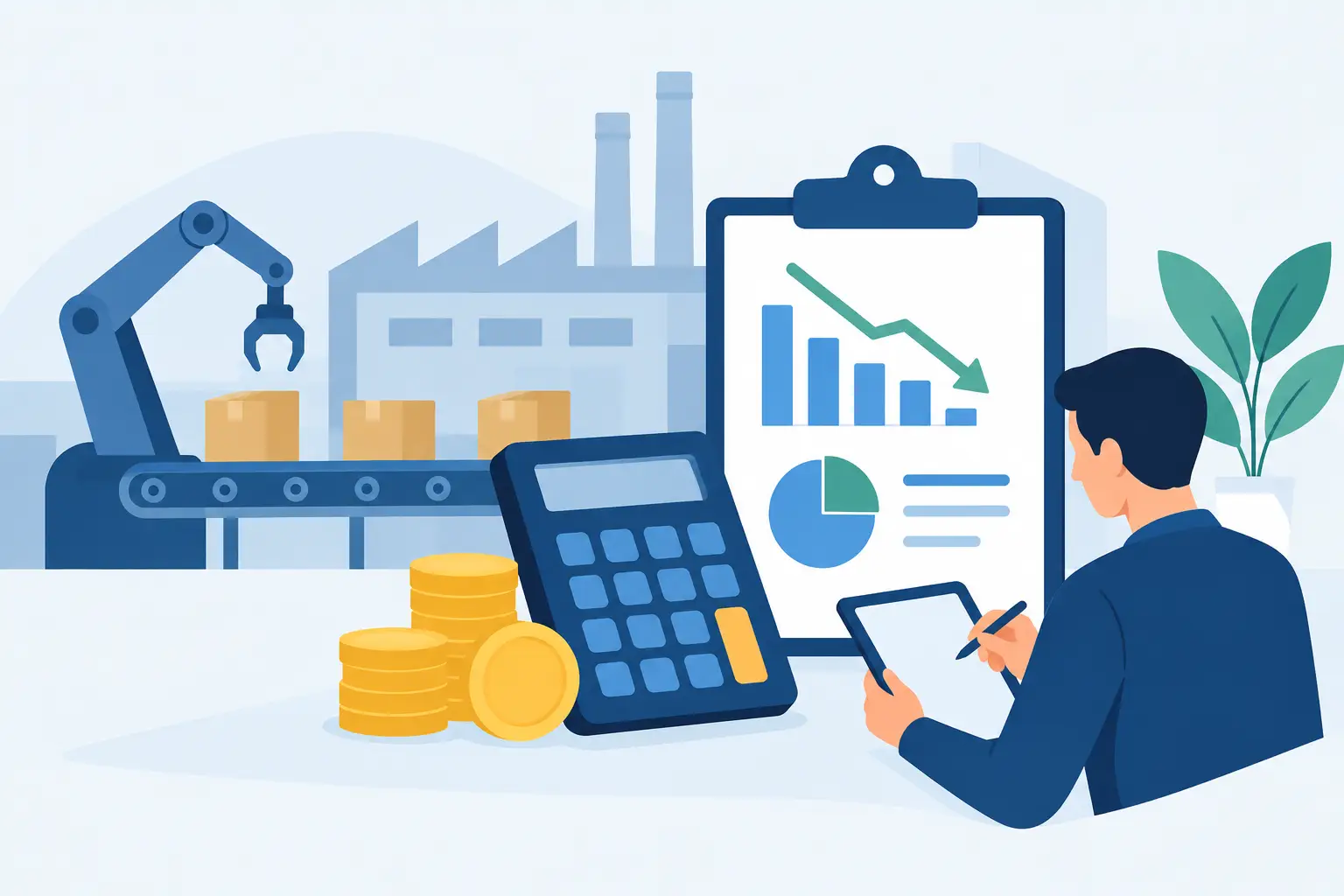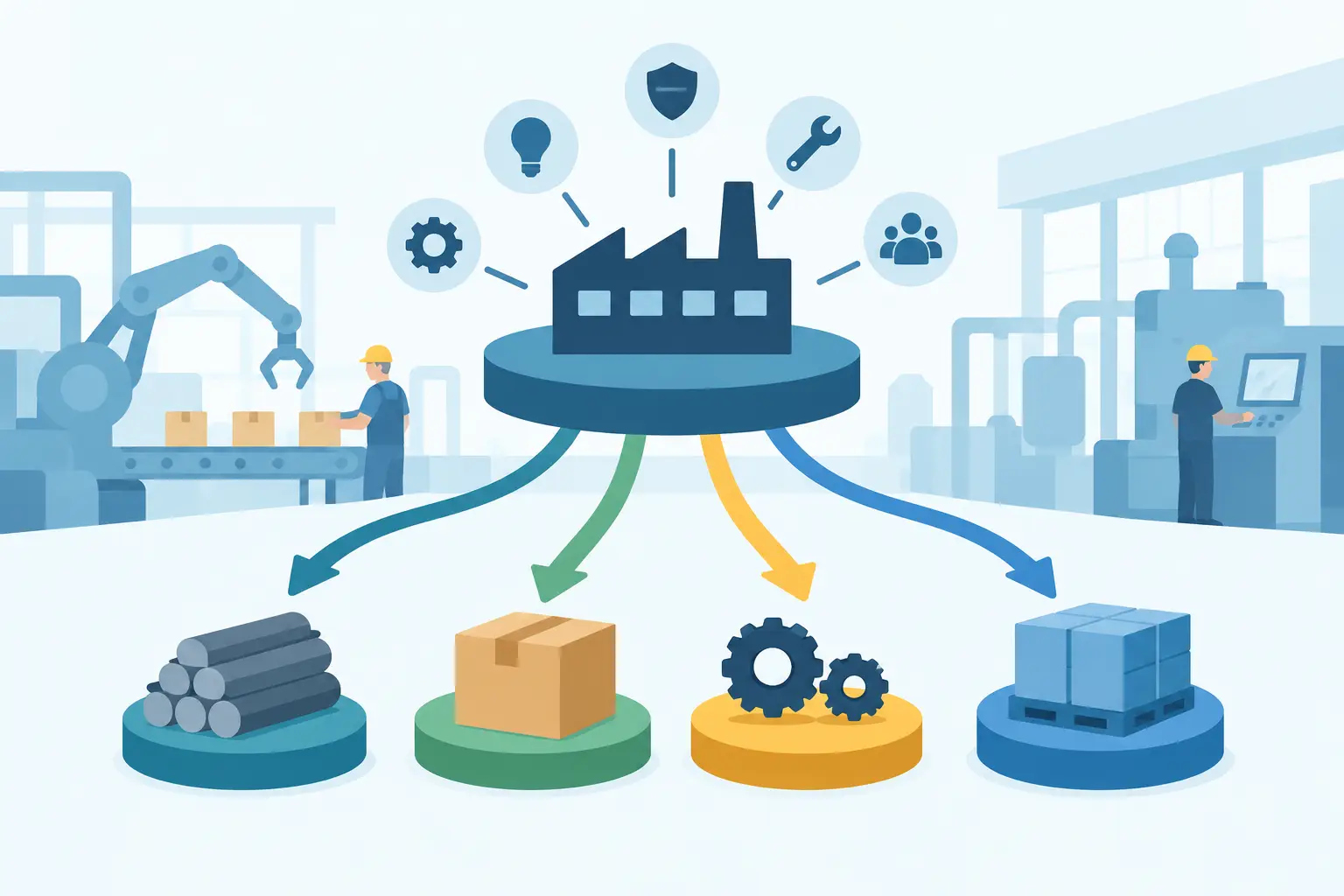
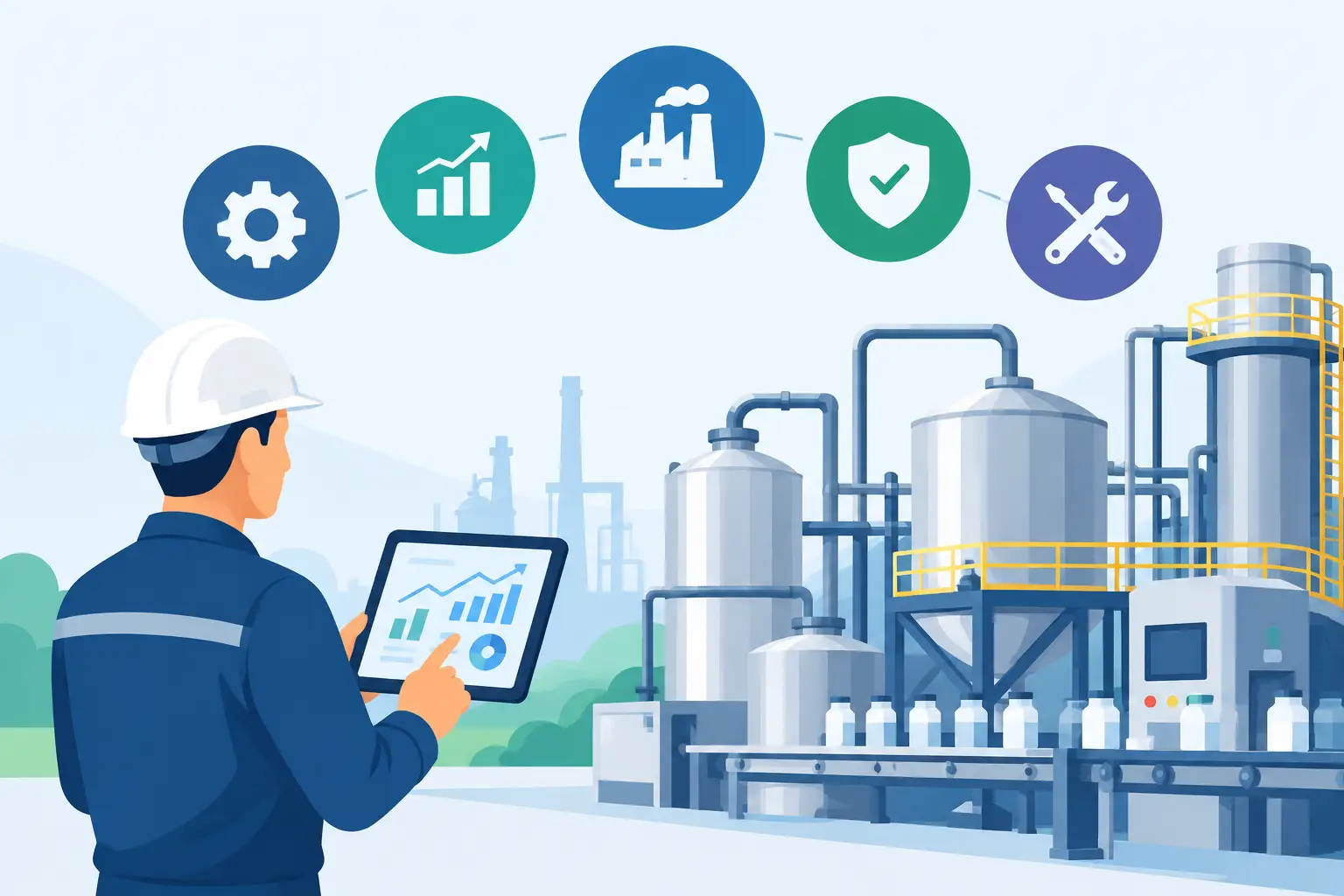
A batch that misses its yield target can affect far more than the production floor. It changes ingredient consumption, labour cost, stock availability, customer commitments and margin. That is why the best tools for process manufacturing are not simply standalone production apps. They need to connect formulas, batches, inventory, quality, equipment and finance in one operational view.
For food processors, chemical manufacturers, tanneries, industrial garment washers and other process-based businesses, the right technology creates control around variables that are difficult to manage in spreadsheets. Material quality can vary. A formula may require approved substitutions. Machine conditions matter. Traceability must be available when a customer, auditor or regulator asks for it.
The practical question is not which tool has the longest feature list. It is which combination gives your team accurate information at the point where decisions are made.
What the best tools for process manufacturing must handle
Process manufacturing is different from discrete manufacturing. You are not always assembling a fixed number of parts into a finished item. You may be blending, reacting, treating, curing, washing, fermenting, refining or transforming raw materials. The output can be measured by weight, volume, concentration, grade or yield, and one production run can produce co-products, by-products or waste.
A useful system therefore needs to understand more than a basic bill of materials. It should support formulas and recipes, units of measure, batch sizes, expected and actual yields, quality specifications, expiry dates and lot tracking. It also needs to carry the financial effect of each production decision through to purchasing, inventory valuation, sales and reporting.
Tools that solve only one part of this picture can still have a place. A specialised laboratory system, for example, may manage detailed test results better than a general ERP. But if its data sits separately from stock, production and accounts, staff can spend too much time reconciling records instead of acting on them.
Core tools to assess
Process ERP and production planning
An ERP platform is usually the operational foundation. It brings purchasing, inventory, production, sales, billing and financial accounting together, giving managers one source of truth rather than several competing spreadsheets.
For process manufacturers, look for batch production orders that can issue materials by lot, record actual consumption, capture output and calculate variances. The system should support formula version control so only approved recipes are used, while still allowing authorised changes when raw material characteristics or customer requirements demand them.
Planning matters just as much as recording what has already happened. A capable production planning tool should help teams schedule batches against demand, stock on hand, lead times, available labour and machine capacity. Smaller manufacturers do not always need the complexity of a large enterprise scheduling suite. They do need a clear, workable plan that purchasing, warehouse and production teams can follow.
Inventory, lot traceability and warehouse control
In process operations, stock accuracy is a production issue, not just a warehouse issue. If the system says an ingredient is available but it is quarantined, expired or allocated to another order, the schedule immediately becomes unreliable.
The right inventory tool tracks lots from receival through storage, production and dispatch. It should support first-expiry, first-out handling where relevant, quarantine locations, quality holds, approved substitutes and stock counts that update financial records. For businesses with multiple sites, visibility by warehouse and location is essential.
Traceability needs to work both ways. A forward trace should identify every customer shipment affected by a particular raw-material lot. A backward trace should show the ingredients, production records and test results behind a finished batch. This is particularly valuable in food, chemicals, cosmetics and regulated industrial processing, where recall speed and evidence can protect both customers and the business.
Quality management and laboratory records
Quality checks cannot be an afterthought added at the end of production. The best systems build inspection points into receival, in-process work and finished-goods release. This prevents unapproved material from entering a batch and stops product from being dispatched before it meets specification.
A practical quality tool records test results against predefined parameters, such as moisture, pH, colour, strength, concentration or wash performance. It should flag results outside tolerance, maintain certificates or supporting documents, and make it clear who released or rejected the material.
The level of detail depends on your industry. A small processor may need straightforward inspection templates and attachments. A highly regulated operation may require detailed laboratory workflows, sample management, electronic approvals and a full audit trail. Buying more complexity than the team can maintain is not a win, so match the system to the process and compliance risk.
Machine, PLC and production data connectivity
Manual batch sheets remain common because they are familiar, but they introduce delays and transcription errors. Connecting industrial machines, PLCs, scales, metres and sensors can bring actual production data into the operating system as work happens.
Useful machine data includes run time, temperature, pressure, energy consumption, cycle counts, downtime and output weight. When this data is linked to a batch or production order, managers can compare actual conditions with the target recipe and investigate yield losses with evidence rather than assumptions.
Not every site needs to connect every machine on day one. Older equipment, budget limits and network conditions can influence what is possible. Start with the data points that answer a real operational question: where downtime occurs, why yield varies or how much energy a process consumes. A phased approach often delivers value faster than a large integration project.
Business intelligence and operational reporting
A monthly financial report is too late to fix a batch issue that happened last week. Business intelligence tools such as Power BI can combine ERP, machine and quality data into dashboards for production, warehouse, finance and management teams.
The most useful reports are focused. Production leaders may need yield by batch, downtime by line and work in progress. Finance teams may need actual versus standard cost, margin by product and inventory movements. Owners may need a daily view of sales, cash, output and exceptions requiring attention.
Reporting only helps when people trust the underlying data. This is another reason connected systems matter. If production quantities are recorded in one application and accounting costs in another, dashboards can look polished while still reflecting incomplete information.
Carbon accounting and resource monitoring
Customers, tender requirements and internal targets are making carbon and resource data more relevant to manufacturers. Energy, water, chemicals, waste and transport can represent material costs as well as environmental impacts.
Carbon accounting tools help businesses collect activity data, apply suitable emissions factors and report their footprint with a clearer method. For a processor, the most useful starting point may be energy per tonne produced, water use per batch or waste by production line. These measures can reveal savings opportunities before they become a reporting obligation.
This capability should not sit apart from operations. Where possible, link resource data to products, sites and production orders. That makes it easier to understand the commercial impact of improvement work.
Choosing an integrated platform over disconnected tools
Many growing manufacturers begin with accounting software, spreadsheets, a stock app and manual production records. Each tool may be acceptable on its own. The problem appears at handover points: stock is receipted late, production uses an old formula, finance closes the month with incomplete costs, or sales promises stock that quality has not released.
An integrated cloud ERP reduces these gaps by allowing teams to work from shared transactions and common master data. OneBusiness, for example, combines finance, inventory, production planning, industry workflows, Power BI analytics, machine and PLC connectivity, AI-enabled assistance and managed cybersecurity in a configurable platform. The value is not having technology for its own sake. It is having production, warehouse and finance teams work from the same operational record.
Integration does involve trade-offs. A platform needs careful configuration, clean opening data and committed process owners. A business with highly specialised laboratory or engineering requirements may also retain a niche application alongside its ERP. The goal is not to force every task into one screen. It is to make sure critical data moves accurately between systems without rekeying or guesswork.
A practical way to select the right tools
Start with the production scenarios that create the most cost, risk or delay. This could be batch traceability, frequent stock shortages, inconsistent yields, slow end-of-month costing or difficulty proving quality compliance. Ask each vendor to demonstrate those scenarios using your units of measure, batch rules and approval steps rather than a generic sales demonstration.
Also involve people from production, warehouse, quality and finance early. A system chosen only by IT or senior management can miss the daily workarounds that determine whether it will be adopted. Test how quickly an operator can record a batch, how a warehouse worker can find a lot, and how a finance user can see the resulting cost.
Finally, consider implementation capability alongside software features. Process manufacturing systems are only as useful as their formulas, item data, workflows, training and integrations. Choose a partner that understands the operational detail and can configure the platform as your process changes.
The best first step is usually not a large software wish list. It is mapping one high-value production flow from receival to dispatch, then selecting tools that make every handover clearer, faster and easier to trust.