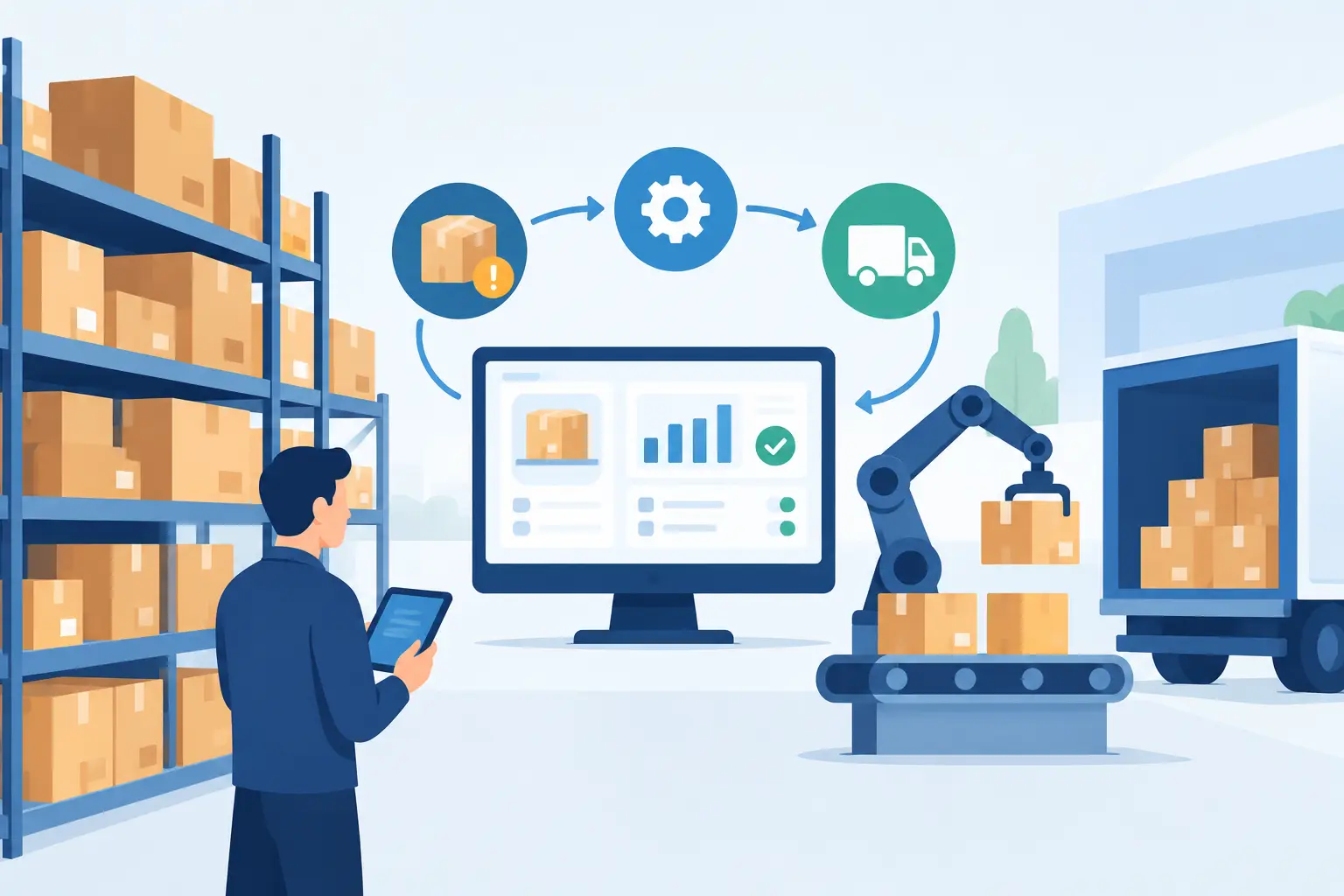

At 4:30 am, a plantation manager may know which blocks need harvesting but still not know whether enough qualified people will arrive, which contractor crews are on site, or what yesterday’s labour cost was. That gap is where margins disappear. This plantation workforce management guide focuses on turning daily labour activity into usable operational data, so managers can allocate crews with confidence and finance teams can see the true cost of work.
For plantations, workforce management is not simply timesheets and payroll. It connects seasonal planning, field allocation, safety, productivity, accommodation or transport coordination where relevant, and the cost of every harvested tonne, tray or bin. The right process gives supervisors practical tools in the field while giving owners a clearer view of performance across the business.
Start with the work, not the timesheet
A workforce system works best when it reflects how the plantation actually operates. Begin by mapping the activities that consume labour: pruning, spraying, irrigation checks, planting, weeding, harvesting, packing, maintenance and dispatch support. Each activity should have a clear task code, location or block, supervisor, expected output and cost category.
This matters because a single labour category such as “field work” tells management very little. If harvest costs increase, you need to know whether the issue is slower picking, longer travel between blocks, rework, poor fruit conditions, equipment downtime or an incorrect labour allocation. Granular data makes that discussion possible without creating unnecessary administration for crews.
Keep the first configuration practical. A supervisor should be able to assign a crew to Block 12, select a harvest task, record a start and finish time, and capture output on a mobile device. If the process takes longer than the work itself, people will revert to paper sheets or memory.
Build a reliable seasonal labour plan
Plantation labour demand changes with weather, crop maturity, commodity prices and harvest windows. Annual budgets remain useful, but they are not enough to run the operation week to week. Build a rolling labour plan that compares anticipated work against available employees, contractors and equipment.
The plan should consider expected yield by block, target harvest dates, estimated productivity rates, staff skills and shift constraints. For example, a high-yield block may require more pickers, but it may also require experienced machine operators and a packing team capable of handling the resulting volume. Scheduling only the picking crew can move the bottleneck downstream.
Use scenarios rather than assuming the forecast will be perfect. A wet week, delayed ripening or equipment failure can alter labour requirements quickly. Managers should be able to test what happens if a harvest is brought forward, a contractor crew is unavailable, or output falls below plan. This helps avoid the expensive choice between overstaffing and missing the optimum harvest window.
Match skills, licences and inductions to each task
Not every available worker can safely perform every job. Maintain current records for licences, chemical handling authorisations, machinery competencies, inductions and expiry dates. When supervisors build a roster, the system should flag gaps before people are allocated to a task.
This is especially valuable where permanent employees, seasonal workers and labour-hire personnel work together. It improves safety and reduces the risk of allocating a person to work they are not authorised or trained to perform. The configuration needs to suit the crop and operation. A broadacre enterprise will track different competencies from a horticultural plantation with packing and processing activities.
Capture time and output where the work happens
Paper timesheets create delays, transcription errors and disputes over labour allocation. Mobile time capture gives supervisors a more timely way to record attendance, breaks, transfers between blocks and completed work. In remote areas, offline capability is worth prioritising, with records synchronised when connectivity returns.
There is a trade-off. GPS or biometric attendance can strengthen verification, particularly for dispersed work sites, but it must be implemented carefully. Employees and contractors need clear notice about what is collected, why it is collected and how it is protected. Privacy, industrial relations obligations and workforce trust should shape the approach, not just the technology available.
Time alone is not a productivity measure. Pair hours with a relevant output: bins harvested, hectares sprayed, rows pruned, units packed or maintenance jobs completed. Supervisors should also be able to record exceptions such as rain delays, machinery breakdowns, rejected produce or a change in work instructions. Without this context, a dashboard can identify a variance but cannot explain it.
Connect labour records to payroll and cost control
The value of field data increases when it reaches payroll, job costing and financial reporting without rekeying. Approved hours should flow through the appropriate pay rules, allowances, overtime and leave processes, while labour costs are assigned back to the block, activity, crop or production order that generated them.
Australian pay conditions can be complex, particularly when a business uses a mix of permanent staff, casual workers, contractors and labour-hire arrangements. Your process should be checked against the applicable awards, agreements, tax and superannuation requirements. Software can apply configured rules consistently, but it cannot compensate for an incorrect interpretation or poor source data.
Finance teams should be able to compare actual labour spending with budget and forecast at more than one level. An owner may want to see total harvest labour cost. An operations manager may need cost per hectare or per tonne by block. A supervisor needs a daily view of hours, output and attendance. One connected platform supports each view from the same approved records, rather than forcing teams to reconcile separate spreadsheets at month end.
Watch leading indicators, not only final costs
A labour cost report received after payroll is useful, but it is late. Better management comes from leading indicators that show where action is needed during the work week. Review planned versus actual crew numbers, hours per unit of output, absenteeism, task completion, overtime, harvest progress and contractor performance.
Power BI reporting can make patterns easier to identify across blocks, seasons and crews. A productivity decline in one area may point to crop conditions, access issues, training needs or an equipment problem. It should not automatically be treated as an employee performance issue. Good workforce management combines data with supervisor knowledge from the field.
Give supervisors a process they can sustain
The best system design removes avoidable work for supervisors. Pre-populated task lists, crew templates, simple approvals and exception-based alerts are more useful than a long form requiring dozens of entries. Supervisors need visibility of their team, assigned work and unapproved records without becoming data clerks.
Training should be role-specific. Field workers need a straightforward method for clocking in and viewing assignments. Supervisors need to manage changes and approvals. Payroll staff need confidence in exceptions and pay runs. Managers need to understand the reports that guide labour decisions. A short, practical rollout in one crop area or operational unit is often safer than changing every process on day one.
Set clear ownership as well. Operations should own task definitions and output measures; HR or payroll should own employee and pay-rule data; finance should own cost structures and reporting controls; IT should govern access, devices and security. Where those responsibilities are blurred, data quality usually suffers.
Use connected operational data to improve the next season
Workforce data becomes more valuable when it sits alongside crop, inventory, production and equipment information. If a packing line slows, labour performance may appear to fall even when the crew is working efficiently. If an irrigation issue affects yield, the harvest labour plan may need to change. Connected records help managers see cause and effect across the operation.
For businesses that need configurable plantation workflows, OneBusiness can bring workforce, payroll inputs, inventory, financials, production planning and analytics together in one cloud platform. It can also support machine and PLC data where processing or packing equipment is part of the operational picture.
The goal is not to monitor every minute for its own sake. It is to give people a fair plan, give supervisors usable information, pay workers accurately and give management a credible view of labour cost and output. Start with one high-impact workflow, make the field process easy to follow, and let each reliable day of data improve the next one.