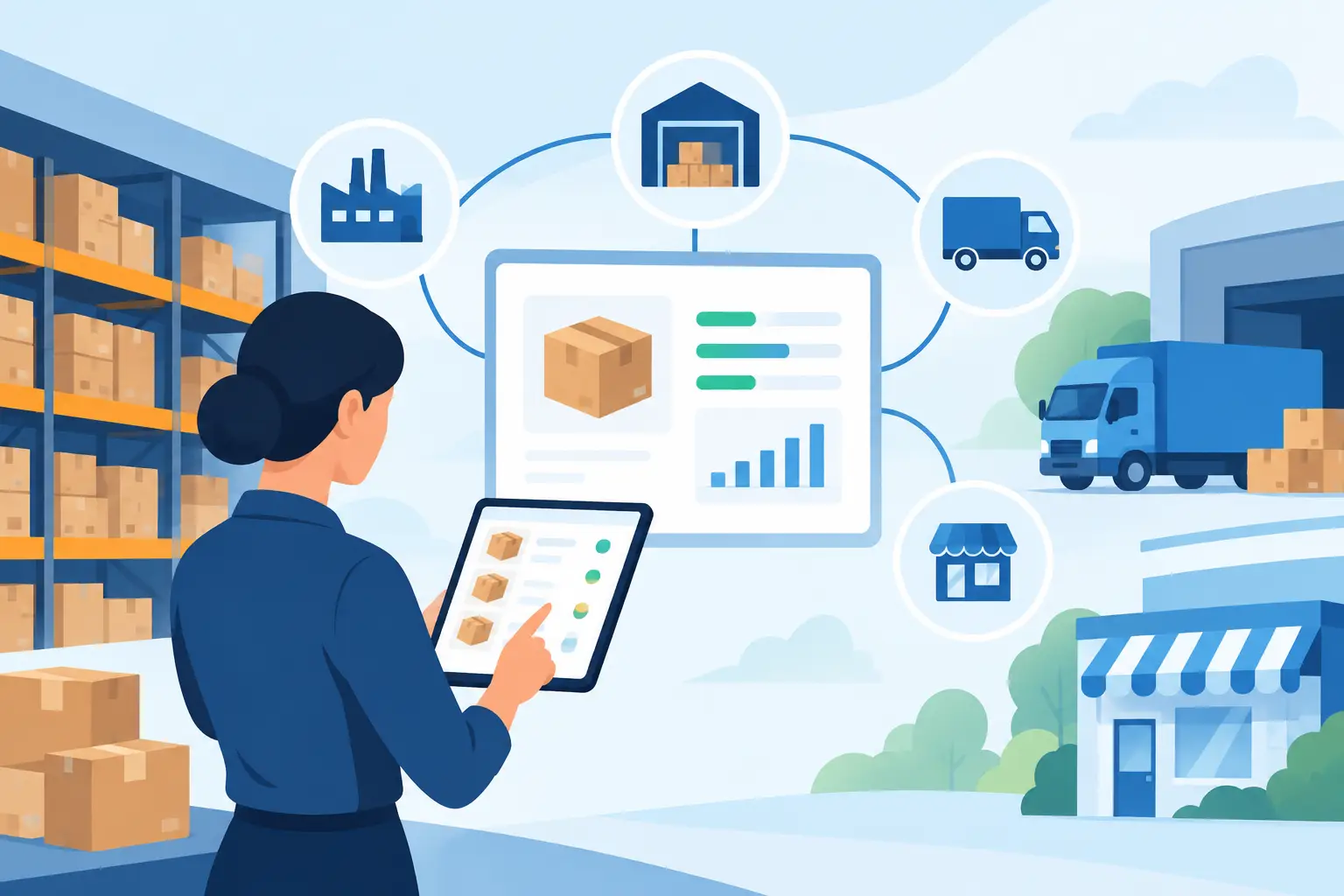
A late purchase order, an unavailable component or an unrecorded machine stoppage can affect far more than one production run. It can delay dispatch, create overtime, tie up cash in urgent stock purchases and leave the finance team explaining a margin result that no longer reflects reality. Manufacturing ERP gives manufacturers one connected view of those moving parts, from a customer order through to materials, production, cost, delivery and invoicing.
For Australian manufacturers, the issue is rarely a lack of data. The problem is that data sits in separate places: spreadsheets on the shop floor, accounting software in finance, stock figures in a warehouse system and job updates in emails or paper travellers. A connected ERP platform turns these separate records into an operational system that teams can use to make decisions while there is still time to act.
When manufacturing ERP becomes operationally necessary
Many businesses begin with a capable accounting package and a few well-built spreadsheets. That approach can work while product lines are simple, stock volumes are low and the people running the business can keep critical information in their heads. It becomes harder as production schedules grow, materials are shared across jobs, multiple warehouses are introduced or customer delivery expectations tighten.
The first visible symptom is often a planning problem. Sales accepts an order without seeing the real capacity of a work centre, or production schedules a job before confirming that the right material is available. The next symptom is usually financial: the business knows its sales revenue but cannot confidently identify the actual cost and margin of each order, batch or production run.
A manufacturing ERP is most valuable when it replaces the hand-offs between departments. It allows sales, purchasing, stores, production, dispatch and finance to work from the same records rather than reconcile conflicting versions at the end of the week. That does not mean every manufacturer needs the same configuration. A make-to-order engineering business, a food processor and a garment wash operation face different planning, traceability and costing requirements. The platform needs to reflect how work really moves through the business.
What manufacturing ERP should connect
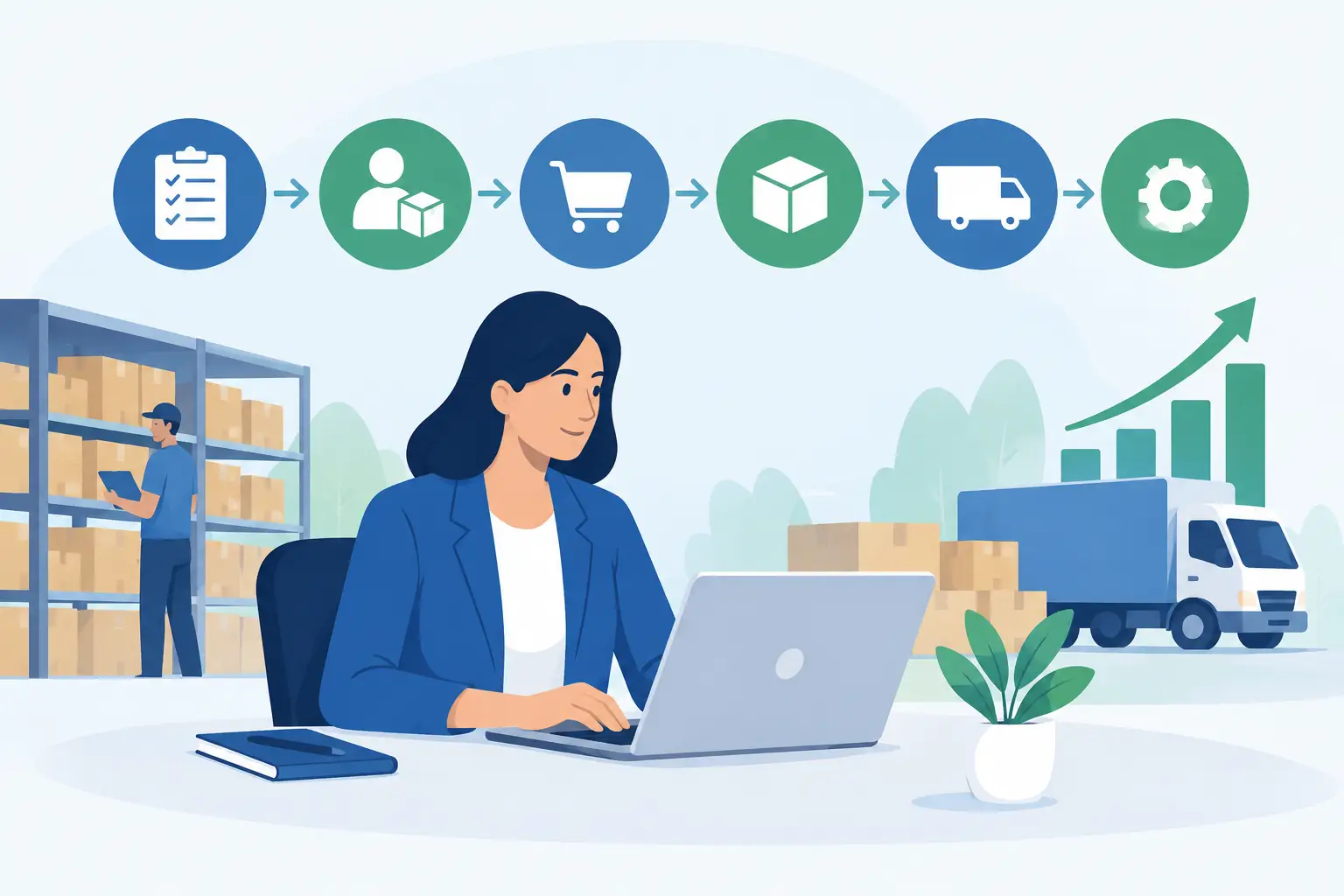
At its core, ERP should connect commercial activity with physical operations. A customer order should inform demand. Demand should inform material requirements and capacity planning. Production activity should update work in progress, stock and cost. Dispatch and invoicing should feed financial reporting without a second round of manual entry.
Production planning and bills of materials
Production planning needs more than a list of open jobs. Manufacturers need to see what must be made, when it is required, what materials it consumes and which work centres, employees or machines are needed. Bills of materials define the ingredients or components for a finished item, while routings record the sequence of work required to produce it.
When these records are maintained properly, planners can assess the impact of a new order before committing to a delivery date. They can also respond more quickly when supply dates move or a priority job changes. The goal is not to create a rigid plan that cannot change. It is to make the impact of change visible to the people who need to respond.
Inventory, purchasing and traceability
Inventory control is where disconnected systems create expensive surprises. A stock balance may look healthy, but the quantity could be allocated to another job, held in quarantine, located at a different site or already consumed on the shop floor without being recorded.
A connected system tracks on-hand, available, committed and incoming stock in context. It can raise purchase requirements from demand and reorder rules, while helping purchasing teams see supplier lead times and expected delivery dates. For businesses managing batch, lot or serial tracking, traceability should extend from incoming materials through production and into finished goods. This is especially relevant for process manufacturers, food-related operations and any business managing compliance-sensitive products.
Costing and financial control
Manufacturing margins are shaped by more than the price paid for materials. Labour, machine time, freight, subcontracting, waste, rework and overheads all affect the true cost of a product or job. If these costs are captured only after month-end, managers are making decisions on old information.
ERP supports more reliable costing by connecting material issues, labour entries, production quantities and purchase costs to the relevant order or batch. Finance teams gain a clearer view of work in progress, inventory valuation, cost of goods sold and variance against expected cost. The exact costing method depends on the operation and accounting requirements, but the principle remains the same: operational events should create financial visibility, not more reconciliation work.
Machine data turns activity into usable insight
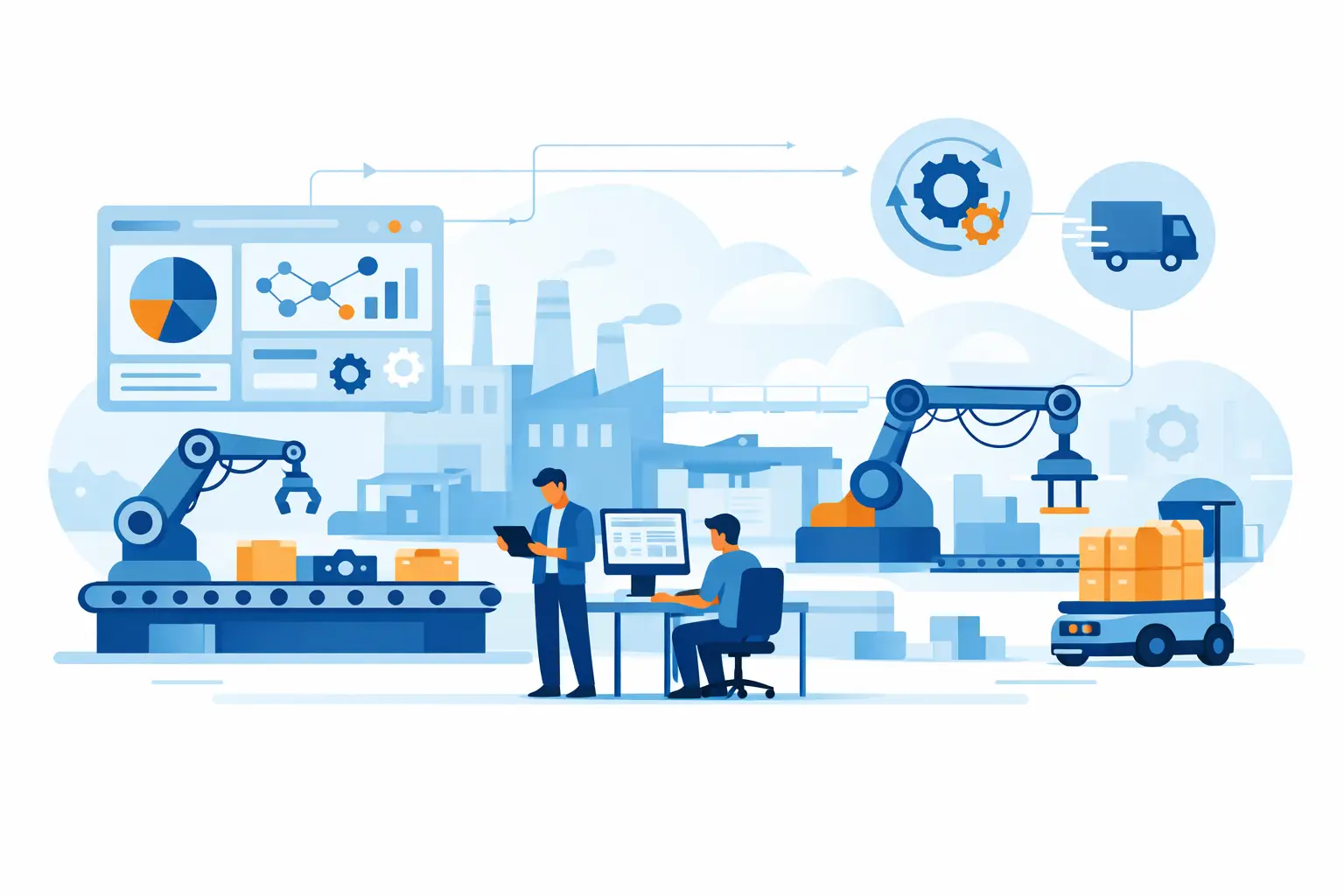
For manufacturers with automated equipment, PLC connectivity can add an important layer of operational control. Machine signals can help capture runtime, downtime, output counts, cycle information or selected process readings directly from the production environment. This reduces reliance on retrospective manual updates and gives supervisors a more timely picture of what is happening on the floor.
Machine integration is not a substitute for disciplined production processes. Data is useful only when it is matched to the right job, work centre, product and shift. It also requires clear agreement about what each signal means. A machine may be powered on without producing saleable output, for example. The value comes from combining machine data with ERP records, so teams can investigate whether downtime, scrap, slow cycles or missed output are affecting delivery and margin.
This is where Power BI reporting and operational dashboards can be particularly effective. Rather than waiting for manually prepared reports, managers can monitor order status, stock exposure, production performance, purchase commitments and financial outcomes in one place. The best dashboards answer practical questions: Which orders are at risk? What material is constraining production? Where is margin moving? Which work centre needs attention?
Choosing the right manufacturing ERP platform
Feature lists can make most ERP products look similar. The more useful test is whether the provider understands the operational detail behind the feature. A system may claim to support production, for example, but the real questions are whether it can handle your bills of materials, routings, batch rules, subcontract processing, quality checks, approvals and reporting needs without forcing teams back into spreadsheets.
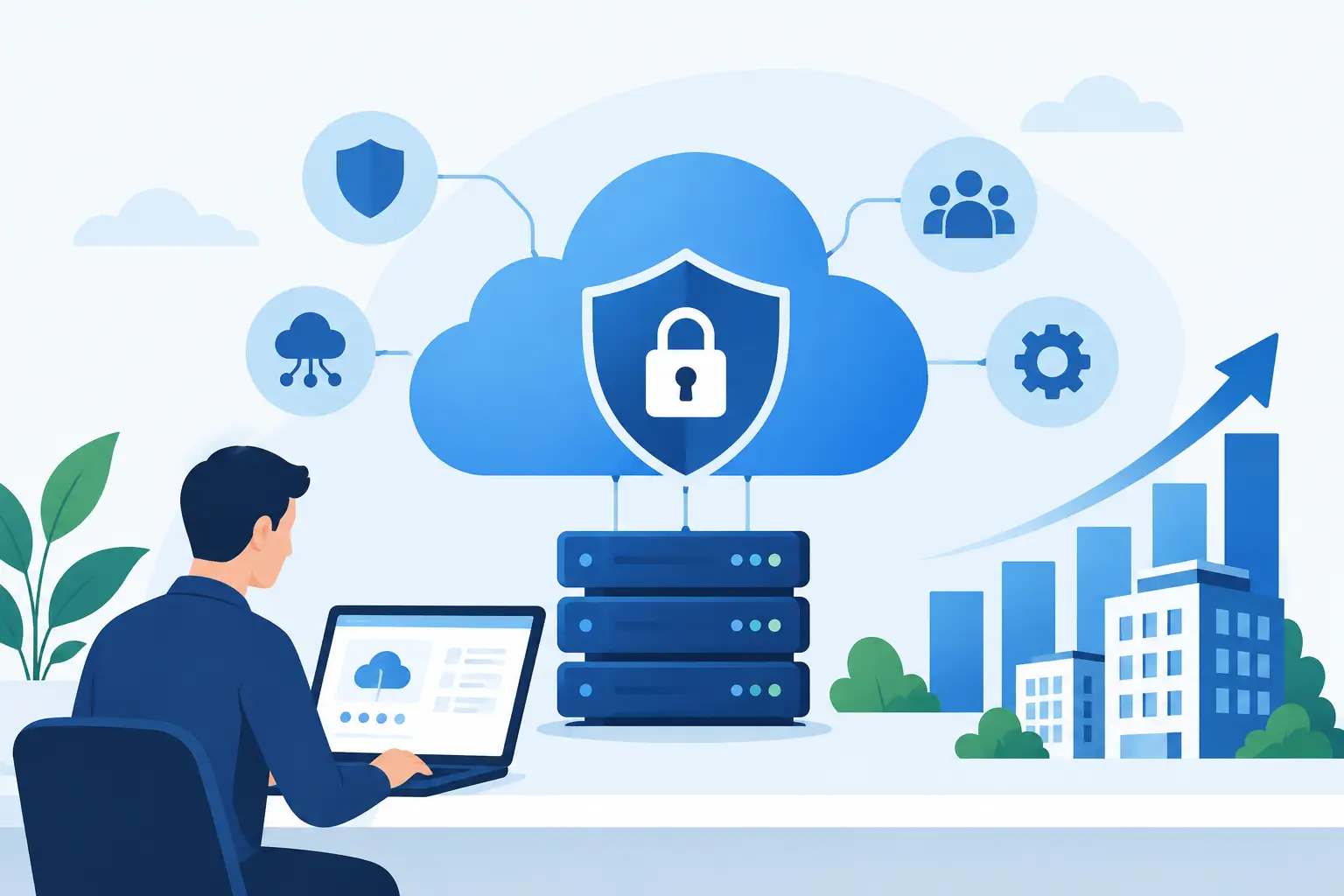
Cloud deployment is attractive for many small and mid-sized manufacturers because it reduces the burden of maintaining on-premises infrastructure and gives authorised teams access across sites. However, cloud software is not automatically simpler. Manufacturers should assess mobile use on the shop floor, integration with scanners and machines, user permissions, cybersecurity controls, data migration and support arrangements.
AI capabilities should also be judged by the operational result, not the label. Generative-AI voice bots can help users retrieve information or complete routine tasks more quickly, while AI and machine learning can assist with patterns in demand, anomalies or workflow automation. These tools work best when the underlying ERP data is accurate, governed and connected. AI cannot correct a bill of materials that has not been maintained or stock movements that are never recorded.
A configurable platform is often the practical middle ground. It should provide standard finance, sales, inventory and production functions while allowing workflows, forms, approvals and reports to fit the business. Excessive customisation can create cost and complexity, so each change should have a clear operational reason. The objective is not to recreate every legacy process. It is to retain what differentiates the business while removing avoidable manual work.
Implementation is a process change, not just a software project
The strongest ERP implementations begin with operational decisions. Before migrating data, the business needs agreement on product structures, stock locations, units of measure, approval responsibilities, production reporting points and the reports leaders will use. This work can expose inconsistencies, but resolving them before go-live is far less disruptive than discovering them during a busy production period.
A phased rollout can be sensible when operations are complex. Some businesses begin by bringing finance, sales, purchasing and inventory into one platform, then introduce production planning, machine connectivity or advanced analytics once master data and day-to-day adoption are stable. Others need a single go-live because their existing systems are too fragmented. The right path depends on risk, internal capability and the urgency of the problem.
Training must be role-based and practical. A production supervisor, storeperson, purchasing officer and finance manager do not need the same screens or reports. They need confidence that the system supports their daily work without adding unnecessary steps. Clear ownership after go-live matters just as much: someone must manage master data, review exceptions and ensure process changes are reflected in the system.
Build control without slowing the factory
The right manufacturing ERP does not ask manufacturers to choose between control and speed. It gives people reliable information at the point where they need to make a decision: whether to promise an order, release a job, buy material, move stock, investigate a variance or approve an invoice.
OneBusiness brings these workflows together with configurable ERP modules, production planning, inventory control, financial management, machine and PLC connectivity, AI-enabled assistance, Power BI analytics and managed security services. For growing manufacturers, the practical benefit is a connected operating platform that can adapt as products, processes and reporting needs evolve.
Start with the operational bottleneck that costs the business the most time, margin or customer confidence. When the system is designed around that real problem, better planning and clearer control follow naturally.