A retailer can have strong sales on Saturday and still lose margin by Monday. The usual causes are familiar: stock records that do not match the shelf, a promotion that sold through faster than expected, supplier invoices waiting to be checked, and finance reports that arrive too late to act on. The best ERP features for retailers address these everyday gaps by bringing sales, stock, purchasing and financial data into one operating view.
For growing retailers, the question is not whether software has plenty of features. It is whether the system makes the shop floor, warehouse, online channel and back office work from the same facts. The right ERP reduces manual handling, helps teams respond earlier, and gives owners a clearer view of what is making money.
Best ERP features for retailers: start with one stock record
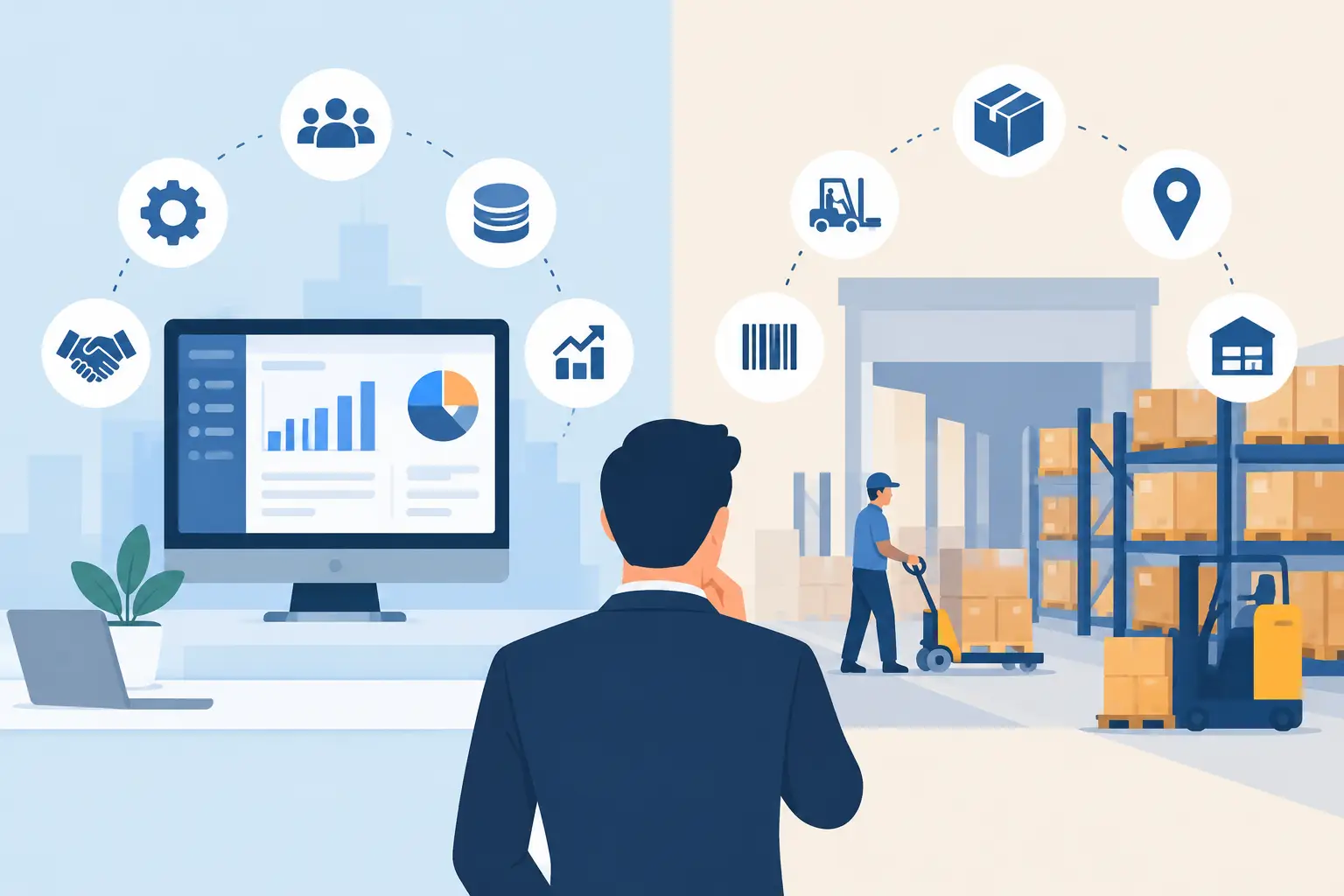
Inventory control is the foundation of retail ERP. Every sale, delivery, transfer, return and stock adjustment should update available quantities promptly. Without this, staff waste time checking shelves and calling the warehouse, while customers are promised products that are unavailable.
A capable system tracks stock by store, warehouse, bin location, product variant and, where required, batch or serial number. For apparel, this means accurate visibility across size and colour. For food, cosmetics or health-related goods, it can mean managing expiry dates and recall traceability. For retailers with multiple sites, inter-store transfers should be visible from request through to receipt, rather than disappearing into email or spreadsheets.
Live stock information also supports better replenishment. Reorder points, minimum and maximum levels, supplier lead times and seasonal demand patterns can guide purchasing teams towards the right order quantity. Automation helps, but it should not remove judgement. A retailer opening a new location, running an unusual campaign or facing supply disruption may need to override the recommendation.
Point of sale that connects to the back office
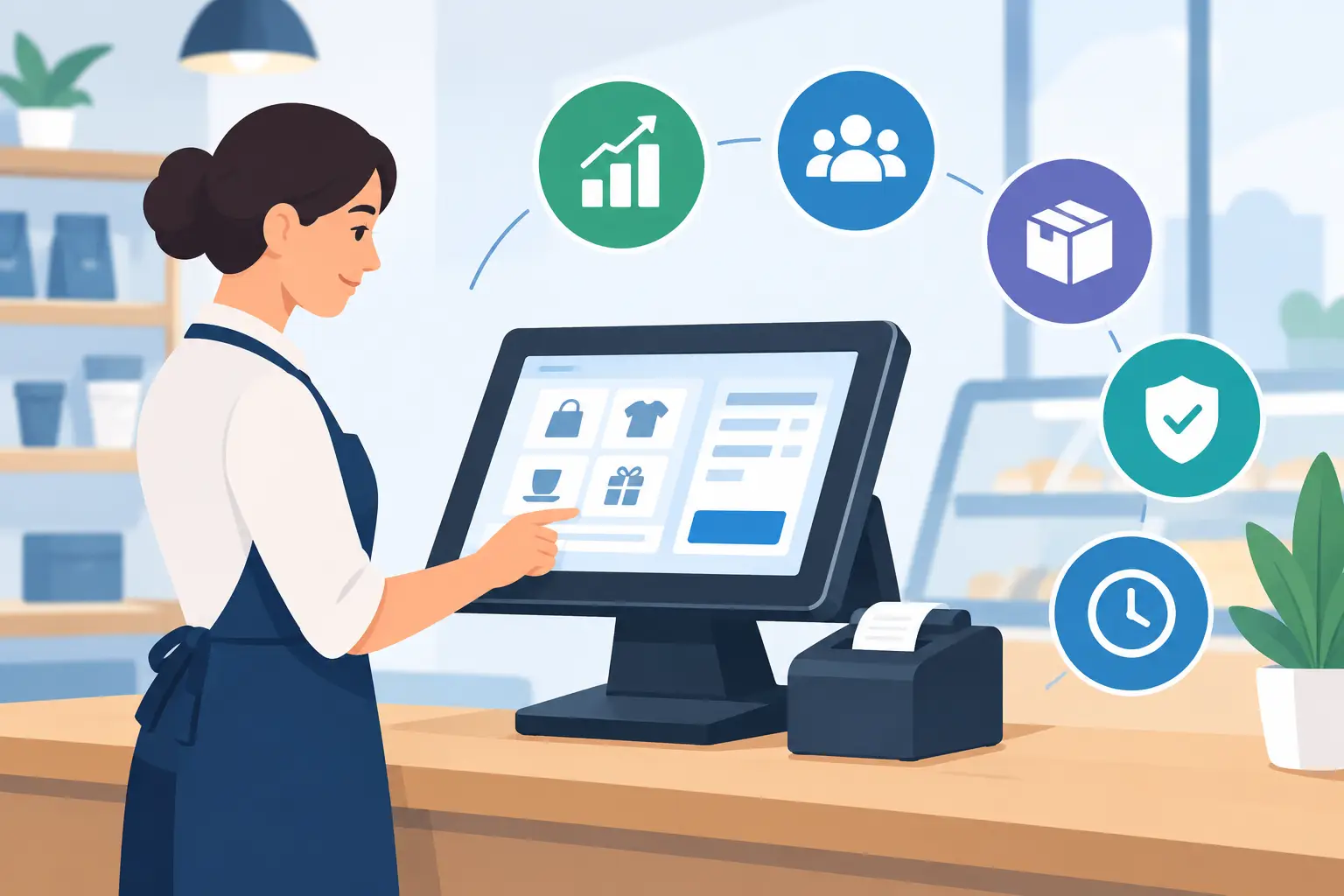
A point-of-sale system should do more than process payments. It needs to post sales, discounts, tax, payment methods, returns and stock movements accurately into the wider ERP. When POS and finance operate separately, reconciliation becomes a daily task and reporting loses credibility.
Connected POS gives managers a clearer picture of sales by store, cashier, department, product and time of day. It also helps control pricing. Price changes and promotions can be configured centrally, then applied consistently at the till and, where relevant, across online channels. That matters when a campaign runs across several shops and customers expect the same offer everywhere.
Returns deserve particular attention. A good retail ERP records why an item came back, whether it can be returned to sellable stock, and how the refund was issued. This supports customer service while exposing patterns such as poor product quality, inaccurate product descriptions or repeated refund activity.
Omnichannel order management without guesswork
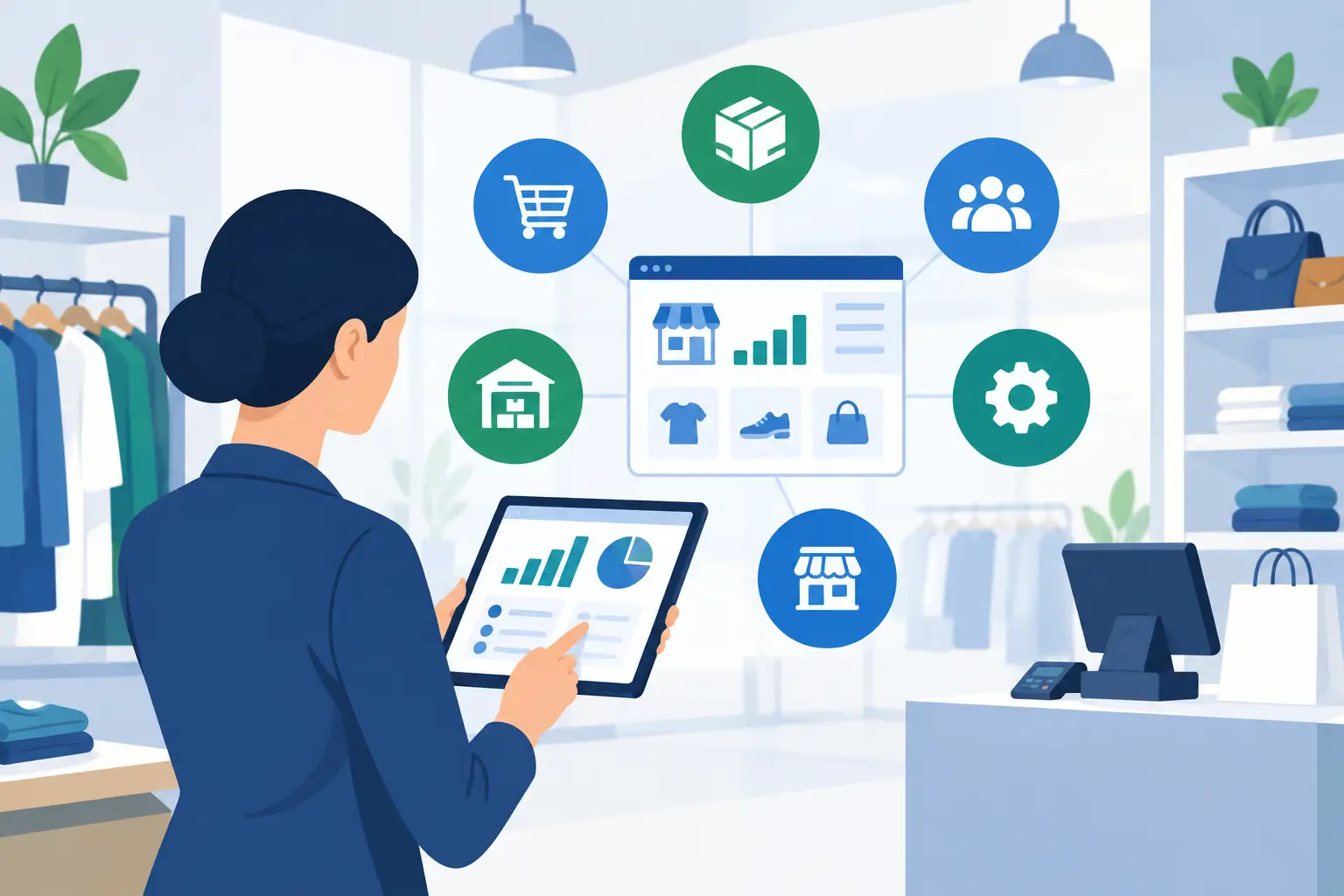
Customers often research online, collect in store, return through another location and expect staff to see the full order history. ERP order management helps coordinate these hand-offs by treating physical and digital sales as connected operations.
Key functions include click and collect, order fulfilment, dispatch status, split fulfilment and central stock allocation. The practical benefit is fewer manual workarounds. A store team can prepare collection orders from a defined queue, while warehouse staff can see which stock is committed before it is picked for another channel.
There are trade-offs. Promising every unit of store stock online can increase sales, but it may leave too little stock for walk-in customers or create fulfilment pressure for store staff. Rules for safety stock, fulfilment priority and substitution need to reflect the retailer’s commercial model, not just the software’s default settings.
Purchasing and supplier control that protect margin
Retail margin is often lost before a product reaches the shelf. Purchase orders, supplier price lists, freight, rebates and invoice discrepancies all affect actual cost. An ERP should connect purchasing to stock receipts and accounts payable so teams can compare what was ordered, delivered and invoiced.
Supplier performance reporting is valuable when it is practical. Retailers need to know who is consistently late, which lines arrive short, and whether agreed prices are being honoured. This information gives buyers a stronger position in negotiations and helps them plan around unreliable lead times.
For imported goods, landed-cost allocation is especially useful. Freight, duty, insurance and handling charges can be distributed across received stock to show a more realistic product cost. That makes gross-margin reporting more reliable than using supplier unit price alone.
Finance and retail reporting in the same system
A retail ERP should give finance teams control without requiring them to rebuild operational data in spreadsheets. Sales, purchasing, inventory valuation, GST, bank activity and accounts payable should flow into the general ledger with appropriate approval controls and audit trails.
The reporting that matters most is usually direct: sales and margin by category, sell-through by product, stock ageing, stock turn, sales by location, discount impact and cash position. These reports become more useful when managers can move from a high-level number to the transactions behind it.
Power BI dashboards can add another layer for retailers managing several locations, product divisions or sales channels. A leadership team may want a daily view of performance, while department managers need a focused view of their category. The aim is not more dashboards. It is a shared set of measures that enables faster action.
Demand forecasting and AI-assisted decisions
Forecasting is one of the most valuable ERP capabilities when data quality is sound. Historical sales, seasonality, promotions, lead times and stock availability can inform demand plans, helping teams order earlier and reduce both stock-outs and excess stock.
AI and machine learning can assist with identifying unusual sales movements, likely replenishment needs and slow-moving lines. Generative-AI voice or chat tools can also make reports easier to access for operational users who need quick answers on the floor. But AI output needs sensible governance. A forecast cannot account for local events, a competitor opening nearby or a buyer’s informed view unless people review and adjust it.
Retailers should first establish consistent product data, reliable stock transactions and agreed reporting definitions. AI becomes more useful after those fundamentals are in place.
Customer data, loyalty and service visibility
Retail is still personal, even when the transaction is digital. Customer profiles, purchase history, loyalty balances, preferences and service notes can help staff provide relevant support without asking customers to repeat themselves.
The best approach depends on the business. A high-volume convenience retailer may value speed and simple loyalty offers, while a specialist furniture or fashion retailer may need detailed customer histories, quotes, deposits and follow-up activities. The system should support the required service model without making checkout slower.
Customer data also brings responsibility. Role-based access, clear consent practices and secure handling of payment-related information are essential. Cybersecurity is an operational requirement, not just an IT checklist, particularly when store teams, warehouse staff and external providers all access the platform.
Configurable workflows for the way your retail operation works
Retail businesses vary widely. A single-store operator needs simplicity and dependable daily controls. A multi-site retailer may require central purchasing, warehouse replenishment and location-level performance reporting. A retailer that assembles, customises or repairs products may need production planning, service jobs or machine-connected workflows alongside standard sales and inventory functions.
This is where configuration matters. Approval levels, product attributes, sales processes, picking methods and reporting views should reflect the real operation. Customisation should solve a defined operational problem, not recreate every old spreadsheet inside a new platform.
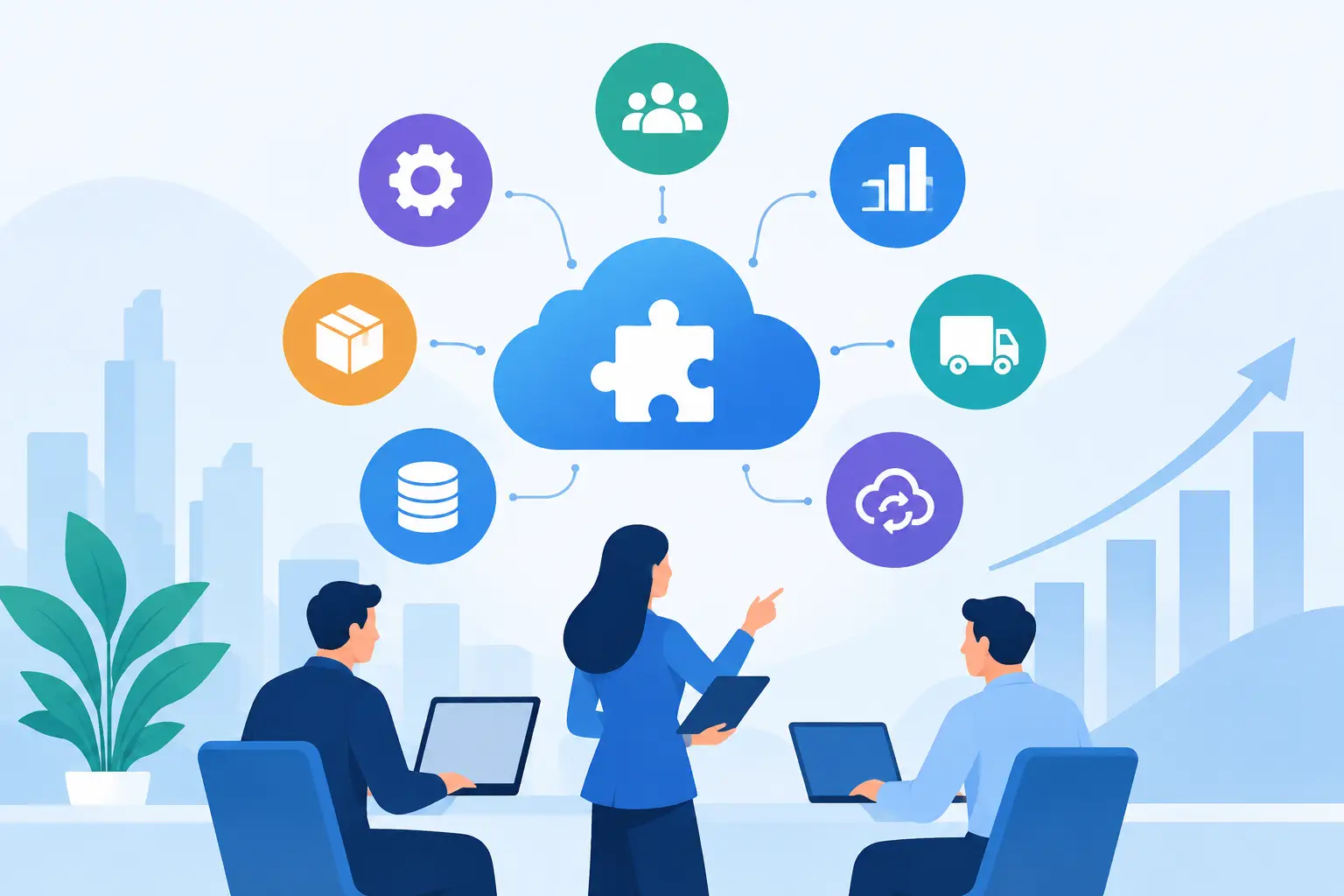
OneBusiness brings retail POS, inventory, purchasing, accounting, analytics and configurable workflows together in a cloud ERP environment, giving growing retailers a practical path away from disconnected systems.
The right retail ERP should make the next decision easier: whether to reorder, transfer stock, adjust a promotion, investigate a margin drop or serve a customer with confidence. Start with the pressure points that cost time or margin every week, then choose features that give your team reliable control where it counts.