A production manager receives a quality alert at 10:15 am. The business needs to know what was used, what was produced, where the affected stock sits and which customers may be impacted. That is where batch tracking versus serialisation becomes a practical operating decision, not simply an inventory setting. The right approach can turn a potential recall into a controlled task. The wrong one can leave staff searching spreadsheets, warehouse shelves and old dispatch records.
For manufacturers, processors, wholesalers, plantation operators and retailers, traceability needs to reflect the way goods actually move. Some businesses handle hundreds of units that are identical but share a common production history. Others must account for every individual asset or saleable item. Both models create visibility, but they answer different questions.
What batch tracking records
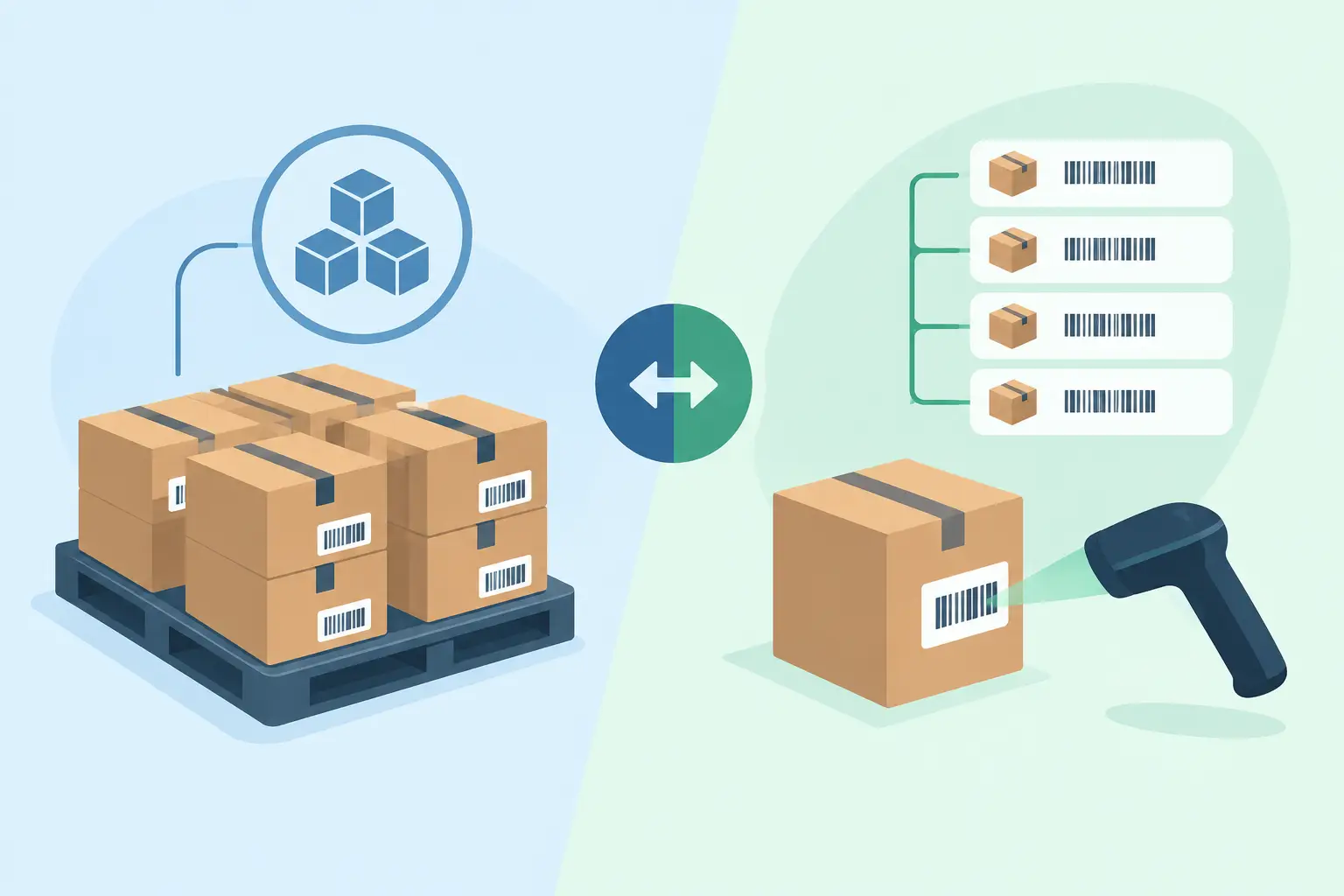
Batch tracking groups a quantity of stock under one shared batch, lot or production run number. Every item in that group has common characteristics, such as the same supplier delivery, harvest date, production shift, formulation, expiry date or quality result.
Consider a food processor making 5,000 jars of sauce during a morning run. The jars may all receive the same batch number because they used the same ingredients, followed the same process and passed through production together. If an ingredient later fails a quality check, the team can trace the batch from goods receipt through work orders, finished stock, warehouse locations and customer deliveries.
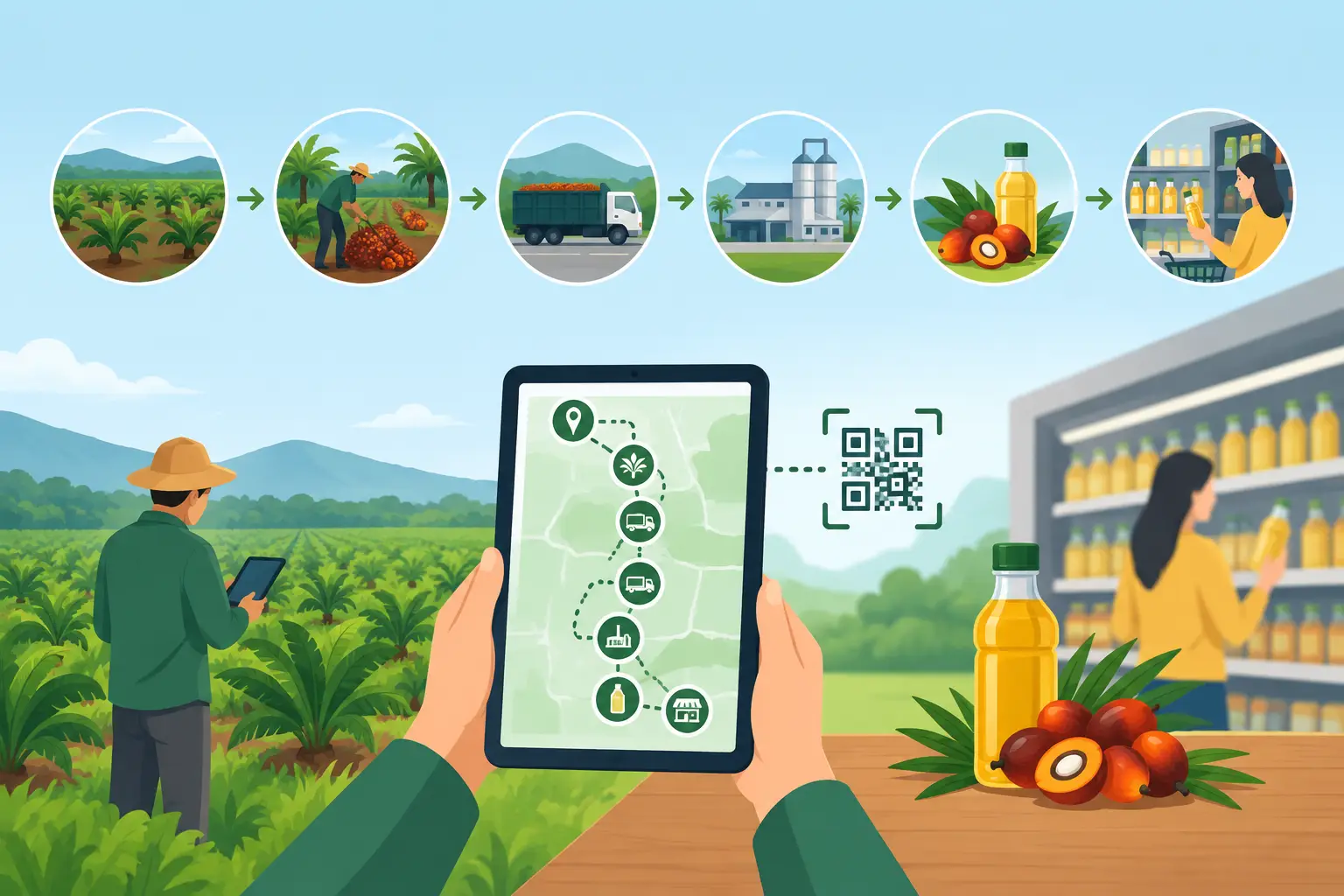
This is generally the more practical model where products are consumed, produced or sold in volume. It supports first-expiry, first-out stock rotation, quarantine controls, recall management and supplier traceability without requiring staff to scan every single unit. In a tannery, for example, a batch can represent hides received from a supplier, a dye lot or a treatment run. In agricultural operations, it may represent a harvested block, date and packing run.
Batch records become more valuable when they carry operational detail rather than only a number. Useful fields can include manufacture and expiry dates, supplier certificates, inspection results, moisture readings, chemical inputs, production parameters and carbon-related activity data. When connected to production planning and warehouse transactions, that information remains available to finance, quality and operations teams in one place.
What serialisation records
Serialisation gives every individual item a unique identity. Instead of recording that 100 identical pumps belong to batch P-2409, the system records each pump by its own serial number. That number can follow the item through assembly, testing, storage, sale, installation, maintenance, warranty claims and return.
This level of detail is suited to high-value equipment, regulated products, technical components and assets with a long service life. A machinery manufacturer may need to identify the exact motor installed in a particular unit. A distributor may need to validate whether a returned device is the same device it sold. A hospitality group may serialise kitchen equipment, POS hardware or mobile devices for asset accountability.
Serialisation also supports stronger after-sales service. Staff can see an individual item’s warranty status, repair history, replacement parts and customer ownership. That is difficult to achieve with a batch number alone, because a batch describes a group, not a specific unit.
The trade-off is operational effort. Each serialised item must be created, captured and maintained accurately at each relevant transaction. If receiving staff, production operators or warehouse teams skip scans, the record quickly loses value. Serialisation is powerful, but applying it to low-cost, fast-moving consumables can create unnecessary handling time and complexity.
Batch tracking versus serialisation: the operational difference
The clearest distinction is the level at which you need to make a decision. Batch tracking answers: “Which group of goods is affected?” Serialisation answers: “Which exact item is affected, where is it now and who has it?”
That difference shapes the cost and value of each method. A beverage producer recalling a production run usually needs to identify a batch. Serialising each bottle would rarely improve the response enough to justify the scanning workload. By contrast, an industrial supplier replacing a faulty control unit needs the unique serial number to isolate affected units, confirm warranty eligibility and identify compatible service parts.
Neither approach is automatically better. A business may use batches for raw materials and finished consumables while serialising capital equipment and critical components. It may also use both on the same product family. For instance, a manufacturer can track electronic components by supplier lot for quality control, then assign a serial number to each finished machine at final assembly. The lot creates upstream traceability; the serial number creates unit-level accountability.
Choose batch tracking when group history matters most
Batch tracking is usually the sensible fit when stock has a shared origin or production profile, is handled in quantities, and may be subject to expiry, quality holds or recalls. It works particularly well for food and beverage, chemicals, agricultural produce, pharmaceuticals, cosmetics, textiles, leather processing and bulk warehouse operations.
It is also appropriate where the business needs to reduce wastage. Warehouse teams can allocate stock by expiry date or batch priority, preventing newer goods from being dispatched while older stock remains forgotten at the back of a location. Finance teams gain more reliable inventory valuation when stock movement and production consumption are captured against the correct lot.
Choose serialisation when each item has its own lifecycle
Serialisation makes sense when each unit carries material value, a warranty obligation, a maintenance schedule or a compliance requirement. It is common in industrial equipment, electronics, medical devices, tools, rental assets and specialised spare parts.
The case becomes stronger where a customer expects proof of identity. If a labour-hire business issues devices or safety equipment to workers, serial numbers help establish custody. If an engineering firm services installed equipment, serialised records connect the asset in the field to service jobs, parts usage and billing. The goal is not more data for its own sake. It is the ability to act on a reliable history.
Design traceability around real workflows
The most common implementation mistake is treating traceability as a warehouse-only requirement. Batch and serial data begin at purchasing or production and must survive every handover. If the system only captures a batch number at receipt but cannot carry it into a work order, finished goods, transfers, dispatches and returns, the trace chain is broken.
Start by mapping the moments where identity matters. This may include supplier receipt, quality inspection, material issue, machine production, packing, put-away, picking, dispatch, field service and customer return. Then decide what staff must scan, select or confirm at each point. A good process keeps this simple. Operators should not need to enter the same details twice or switch between disconnected systems.
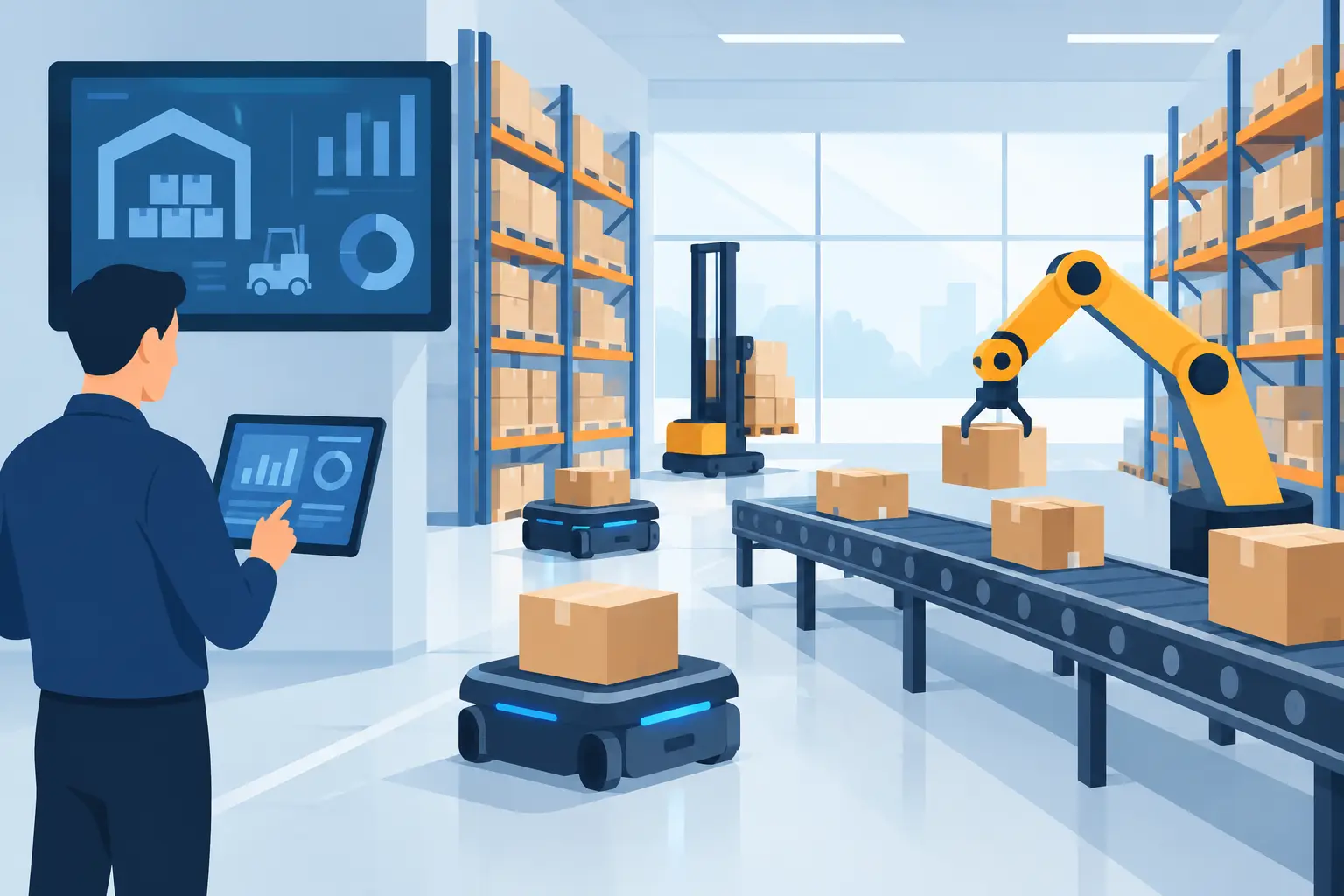
For production environments, PLC and machine connectivity can add useful context automatically. Production counts, run times, temperatures or downtime events can be tied to a batch record, giving quality teams a more complete picture if an issue arises. For management, Power BI reporting can show batch ageing, expiring stock, yield by run, recall exposure or serialised asset movements without waiting for manual reconciliation.
OneBusiness can configure batch and serial controls alongside purchasing, inventory, production, sales and financial workflows, so traceability is part of day-to-day operations rather than a separate record-keeping exercise.
Questions to settle before configuring your ERP
Before selecting rules, ask what event would cause the business the greatest concern: an expired product shipped to a customer, a failed supplier input, a warranty dispute, missing equipment or an inability to prove what happened during a production run. The answer usually points towards the required level of tracking.
Also consider transaction volume and staff capacity. Serialising ten high-value machines per week is very different from serialising 50,000 fast-moving retail items. Assess barcode labels, scanners, mobile workflows and warehouse layout before committing to a process. The system needs to be accurate on the warehouse floor, not only impressive in a demonstration.
Finally, define ownership. Quality teams may manage release and quarantine status, warehouse staff may manage scans and locations, production teams may create output batches, and finance may need rules for costing and write-offs. Clear responsibilities make traceability dependable.
The best traceability model is the one your team can maintain every day while giving leaders the evidence they need when something goes wrong. Build it around the risks, goods and service commitments that matter to your operation, and it will support faster decisions long after the original stock transaction has passed.