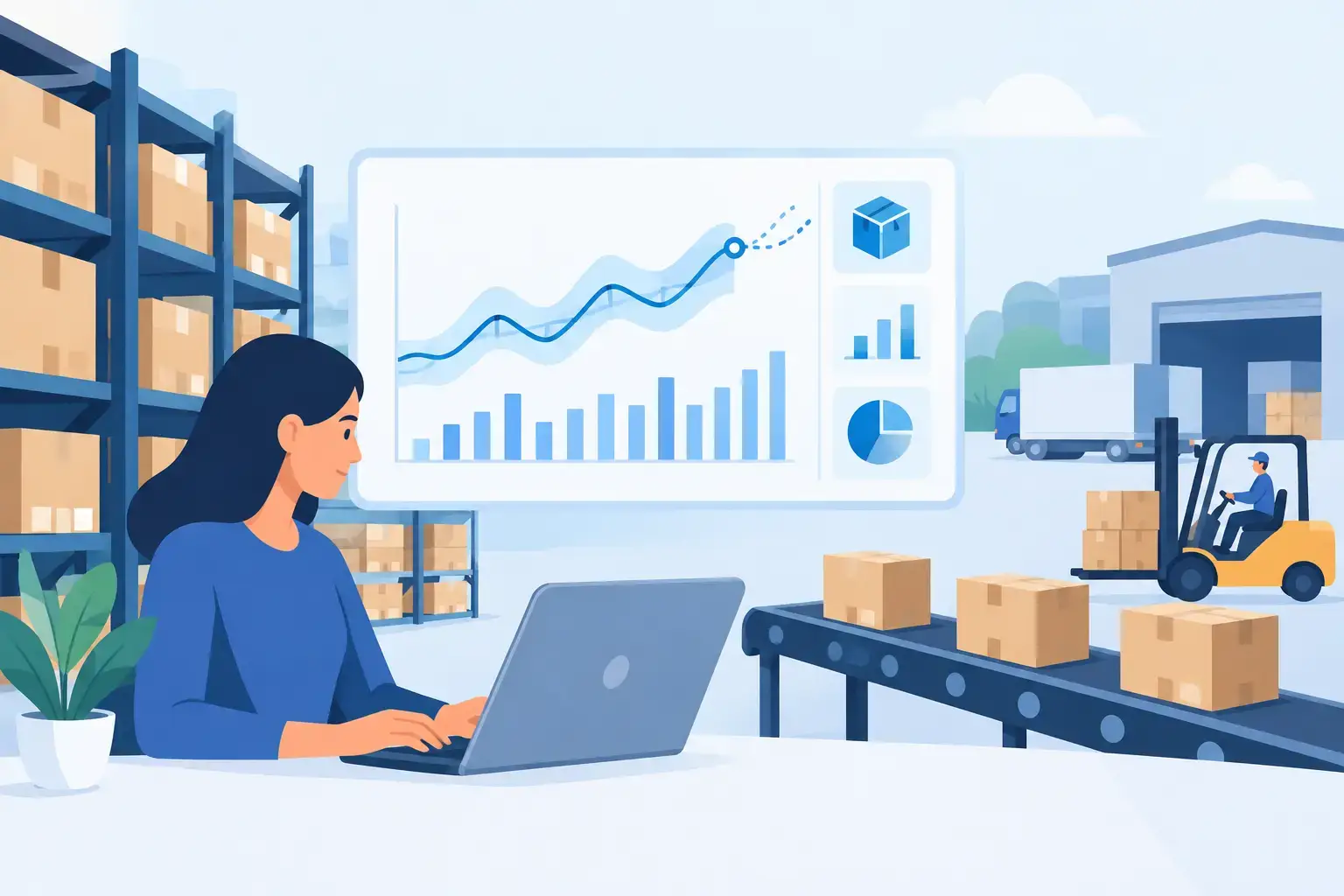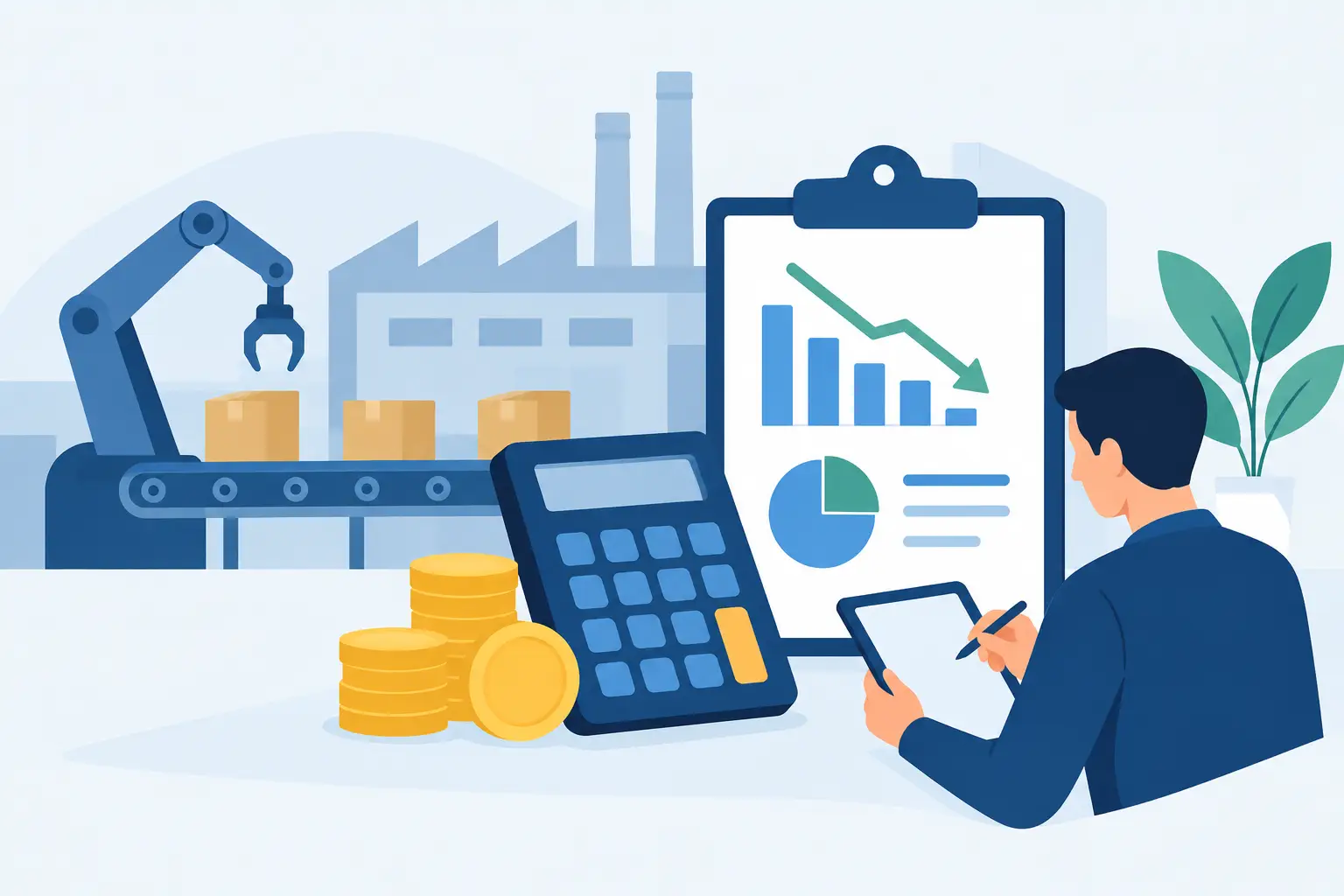

A serious ERP accounting comparison starts where many software shortlists stop: with the work that happens before an invoice is raised and after a payment is received. For a manufacturer, that could mean material consumption, machine output and work-in-progress. For a labour-hire business, it is approved timesheets, award rules and client billing. For a retailer, it is stock movement across stores and online channels. If these operational events sit outside the finance system, the general ledger will always be a step behind the business.
Accounting software is useful for recording transactions, managing payables and receivables, and meeting reporting obligations. ERP accounting extends that capability across the processes that create those transactions. The right choice depends on your operating model, reporting needs and growth plans – not simply the number of ledger codes or the lowest subscription price.
ERP accounting comparison: what are you actually comparing?
The phrase ERP accounting can describe very different products. Some systems are accounting platforms with a few inventory add-ons. Others are broad ERP platforms with accounting at their core. Both may produce a profit and loss statement, but they deliver very different levels of control when operations become more complex.
A useful comparison looks at the flow of information. Ask whether a purchase order, goods receipt, production issue, stock transfer, timesheet or point-of-sale transaction creates the correct financial impact automatically. Then ask whether staff need to re-key data, export spreadsheets or wait until month-end to reconcile operational records with the ledger.
For a business trading simple services, a connected accounting platform may be sufficient. For organisations handling raw materials, multiple warehouses, job costs, production runs, field operations or a large casual workforce, a broader ERP is usually more appropriate. The cost of disconnected systems often appears as stock adjustments, delayed invoicing, disputed margins and finance teams spending days repairing data.
Compare the financial foundation first
Every shortlisted system should support the fundamentals your finance team relies on: general ledger, accounts payable, accounts receivable, bank reconciliation, tax configuration, audit trails, budgets and period controls. These are table stakes, not points of differentiation.
The difference is in depth and usability. Multi-entity businesses may need separate entities, intercompany transactions, consolidated reporting and controlled shared services. Project-based businesses need costs, revenue and commitments assigned to jobs as they occur. Organisations operating in different regions may require multiple currencies, tax rules and local reporting treatments.
Do not assess reporting solely by looking at a polished dashboard. Test the path behind the number. Can your team drill from a management report into a transaction, source document and operational event? Can they see who changed a record and when? Can finance close a period while operational teams continue preparing work for the next one? These details matter when management needs confidence in the numbers, not just attractive charts.
Cash flow and billing are operational issues
Debtor control improves when billing follows confirmed work, deliveries or milestones without delay. In a labour-hire operation, approved shifts should feed invoice creation. In manufacturing, dispatch confirmation may trigger invoicing. In professional services, billable time and expenses should be visible to project managers before revenue is recognised.
Compare how each platform handles deposits, progress claims, recurring charges, credit limits, payment terms and customer-specific pricing. A system that produces invoices quickly but cannot reflect the commercial rules your team actually uses can create as much manual work as the software it replaces.
Inventory, purchasing and production change the equation
This is where a basic accounting comparison often becomes misleading. Stock on hand is not merely an asset balance. It is a live operational position affected by receipts, transfers, allocations, returns, wastage, production consumption and sales.
An ERP should give authorised users a current view of stock by warehouse, location, batch, serial number or expiry date where relevant. It should also connect purchasing, receiving and supplier invoices so that quantity and cost discrepancies can be identified early. For trading businesses, this helps protect margin and prevents sales teams from promising stock that is unavailable.
Manufacturers and process-based operations need more. They may require bills of materials, routings, work orders, capacity planning, material issue, subcontracting, quality checks and work-in-progress accounting. A tannery, industrial garment washing operation or food-related processor may also need batch traceability, yield tracking and wastage analysis. In these cases, it is not enough for the ledger to record a finished-goods value at month-end. Finance needs timely, credible production costs throughout the period.
When comparing systems, use a real scenario rather than a vendor demonstration with sample data. Follow one purchase from requisition to receipt and supplier invoice. Follow one customer order through allocation, delivery and billing. If you manufacture, follow one production order from material issue to finished stock. The gaps become clear quickly.
Assess automation without losing control
Automation should reduce repetitive work while preserving review points for exceptions. Useful examples include approval workflows for purchases and payments, automated bank matching, invoice capture, recurring journals, stock replenishment and alerts for credit, margin or inventory exceptions.
AI-enabled functions can add practical value when they are connected to reliable business data. A voice bot that retrieves a customer balance or warehouse stock position can save time. Machine-learning forecasts may assist demand planning. Generative AI can help users find reports or prepare an initial explanation of a variance. But AI is not a substitute for sound master data, approval rules or financial governance.
Ask suppliers how automation is configured, who can change it, and how exceptions are recorded. A highly automated process that cannot be understood or audited is a risk, particularly for businesses with delegated purchasing, multiple sites or compliance obligations.
Reporting needs a shared data model
Finance reports become more valuable when operational leaders see the same underlying data. A production manager needs yield, downtime and material variance. A warehouse manager needs ageing stock, fulfilment speed and picking accuracy. An owner needs cash, gross margin, sales pipeline and outstanding commitments. They should not need separate spreadsheets to answer related questions.
Look for reporting tools that combine financial and operational measures, with sensible permissions for different roles. Power BI integration can be valuable where a business needs tailored dashboards across finance, sales, inventory, projects and production. The key question is whether dashboards refresh from governed data, rather than from manually maintained extracts.
Carbon accounting is also becoming a practical reporting requirement for many supply chains and larger customers. Businesses that track energy use, materials, transport or production activity should consider whether environmental measures can be connected to the same operational records used for financial reporting. Retrofitting this data later is usually harder than capturing it during normal workflows.
Consider implementation, configuration and security
The best ERP accounting platform on paper will not deliver value if the implementation ignores existing processes, data quality and user adoption. Compare the provider’s approach to chart-of-accounts design, opening balances, data migration, testing, training and post-go-live support. A fast deployment is useful, but only if stock, customer, supplier and employee data is trustworthy from day one.
Configuration is equally important. Growing businesses should be able to adapt approval paths, invoice layouts, reports, workflows and industry fields without treating every change as a major software project. At the same time, extensive customisation can increase cost and complicate upgrades. The practical balance is to configure the platform around genuine operational differences and retain standard processes where they already work well.
Security deserves the same attention as functionality. Confirm role-based access, multi-factor authentication, audit logging, backup arrangements, data residency considerations and incident response responsibilities. For organisations with connected machines or PLC data, separate access controls and monitored integration points are especially important. Operational technology can improve production visibility, but it must not create an unprotected route into core business systems.
A practical way to choose
Create a short list based on your non-negotiable operating requirements, then score each option against real workflows. Include finance staff, warehouse or production leaders, sales, payroll or labour administration, and IT in the assessment. Their perspective will reveal whether a system supports daily work or simply satisfies a feature checklist.
Focus on three measures: the amount of manual re-entry removed, the speed at which reliable information becomes available, and the level of control retained as transaction volumes grow. Also calculate the cost of keeping separate tools, including reconciliations, delayed decisions, spreadsheet maintenance and stock or billing errors. Subscription fees are visible; fragmentation is often not.
For operationally complex businesses, OneBusiness can bring accounting, inventory, production, projects, sales and industry workflows into one cloud platform, with the flexibility to connect machine data, analytics and managed security services where required.
The most useful decision is not the system with the longest feature list. It is the platform that gives your people a clear view of what is happening across the business, records the financial effect as work is completed, and leaves your team with more time to act on the numbers.