A production supervisor should not need to chase paper job cards, ask the warehouse for a stock figure, then wait for finance to confirm whether the order is profitable. Yet that is still the daily reality for many growing businesses. ERP automation trends are changing this by connecting the operational events on the floor, in the warehouse and in the field directly to financial and management reporting.
For Australian small and mid-sized businesses, the value is not automation for its own sake. It is fewer avoidable delays, more reliable records and faster decisions when margins, material availability or customer commitments change. The most useful trends are practical: they reduce rekeying, make exceptions visible and give teams control over work that previously lived across spreadsheets, emails and separate systems.
ERP automation trends moving into daily operations
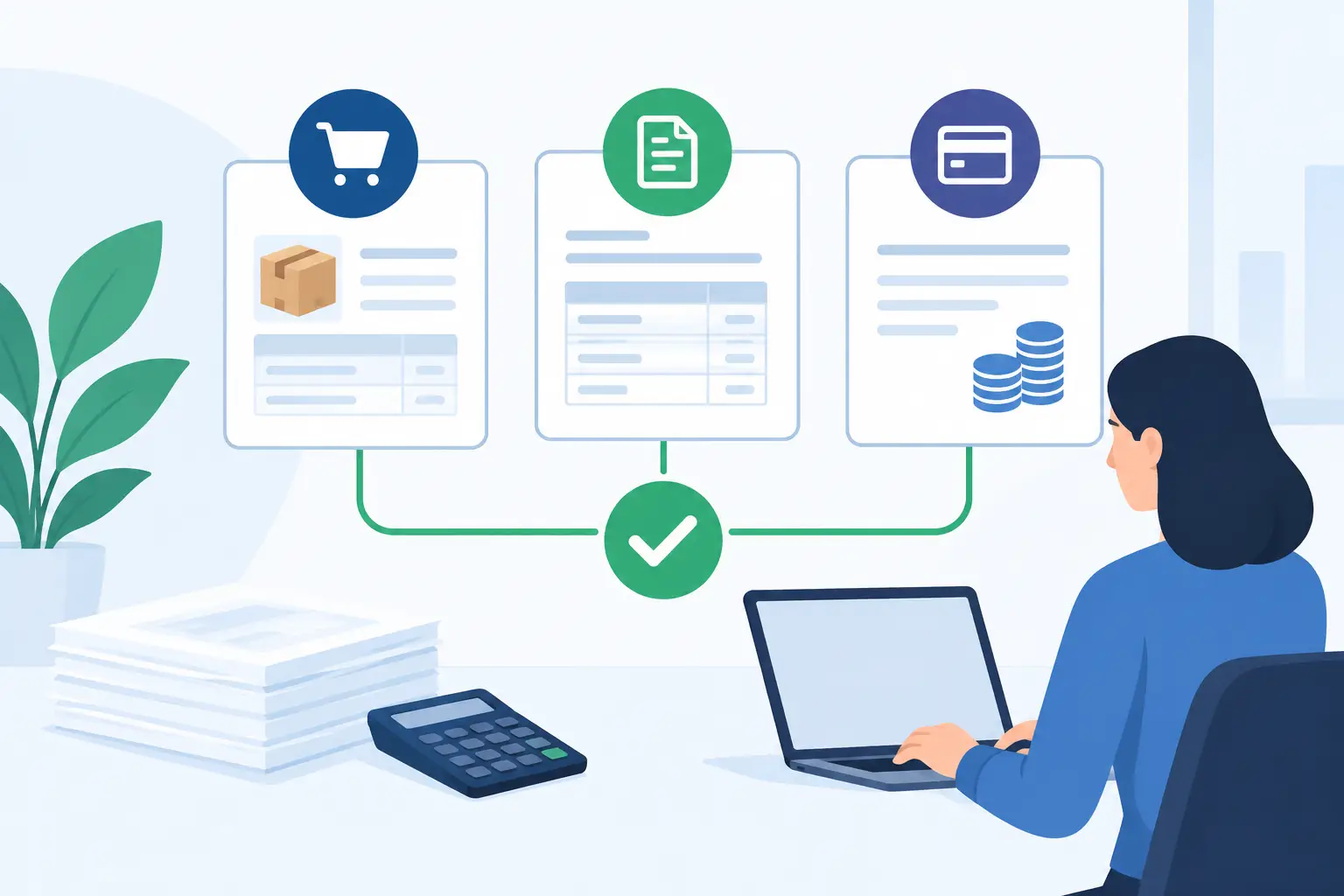
The strongest shift is from automating individual admin tasks to automating connected workflows. An invoice approval is useful, but it is more valuable when it relates to a purchase order, goods receipt, supplier delivery and project or production cost in one system. The business can then see what has happened, what is late and what it will mean for cash flow.
This matters particularly in operations with multiple hand-offs. A manufacturer may need purchasing, batch production, quality checks, warehouse movements and dispatch to follow the same order. A labour-hire provider needs timesheets, award rules, client billing and payroll data to remain aligned. A plantation operator needs harvest records, input usage and labour activity captured against the right block or crop cycle.
The trend is towards workflow automation that reflects these real-world processes rather than forcing teams into generic forms. Standard processes should be quick to run, while exceptions should be routed to the person who can resolve them.
AI moves from reporting assistant to work assistant
Generative AI is becoming more useful inside ERP when it is grounded in the business’s own permissions, records and workflows. Instead of searching through reports, an authorised manager can ask why a production order exceeded its planned cost, which customers have overdue balances or where inventory is likely to constrain next week’s schedule.
Voice-enabled tools are also gaining traction where hands-free access has a clear benefit. On a factory floor, in a warehouse or while supervising field work, staff may be able to log an update, ask for a stock balance or retrieve a job status without moving to a desk. The experience needs to be simple, accurate and tightly controlled. AI should assist users, not create unverified transactions or expose sensitive financial data.
For many businesses, the first worthwhile AI use case is not a complex prediction model. It is reducing the time spent finding information, drafting routine communications, categorising documents or identifying records that need attention. Start with a clear process and a measurable baseline, such as invoice processing time or the number of unresolved stock exceptions.
Machine and PLC data becomes part of the business record
Manufacturers and process-based operations are increasingly connecting industrial machines and programmable logic controllers, or PLCs, to ERP. This can bring machine runtime, output, downtime, energy consumption, temperature readings or production counts into the same operating picture as materials, labour, work orders and sales.
The appeal is clear. If a machine stops, planners can see the likely effect on production commitments. If actual output differs from the planned quantity, material consumption and costs can be reviewed promptly. Maintenance teams can use usage or condition data to plan work before a failure causes a larger disruption.
However, more data does not automatically create better control. Machine integration must begin with a defined operational question. Is the priority accurate production reporting, traceability, preventive maintenance, energy management or quality assurance? A business should also determine how often data needs to be collected. Second-by-second signals may be essential for engineering analysis but unnecessary for financial reporting.
Touchless finance is expanding, with controls intact
Finance automation is no longer limited to sending recurring invoices. Businesses are matching supplier invoices against purchase orders and goods received, routing approvals based on value or cost centre, applying credit rules to sales orders and automating reminders for overdue accounts.
The benefit is speed, but the bigger gain is consistency. Approval policies are applied the same way each time, and finance teams can focus on exceptions rather than re-entering data. For owners, this produces a clearer view of committed spend, cash requirements and customer exposure.
There is a trade-off. A fully touchless process can be inappropriate for irregular services, complex project costs or suppliers whose invoices vary frequently. These workflows still need a straightforward review path. Good ERP automation makes the standard transaction easy and the unusual transaction visible, rather than pretending every purchase fits one rule.
Automation is becoming more industry-specific
Broad ERP capability remains essential, but the next stage of value comes from configuration around how an industry actually operates. This is especially relevant for businesses that have outgrown accounting software but do not want the cost and disruption of a heavily customised enterprise program.
In industrial garment washing, for example, automation may track garment intake, wash cycles, quality checks, customer allocation and dispatch. In retail and hospitality, it may connect point of sale activity, stock replenishment, purchasing and daily sales reporting. In professional services, it may link time capture, project budgets, milestones and billing.
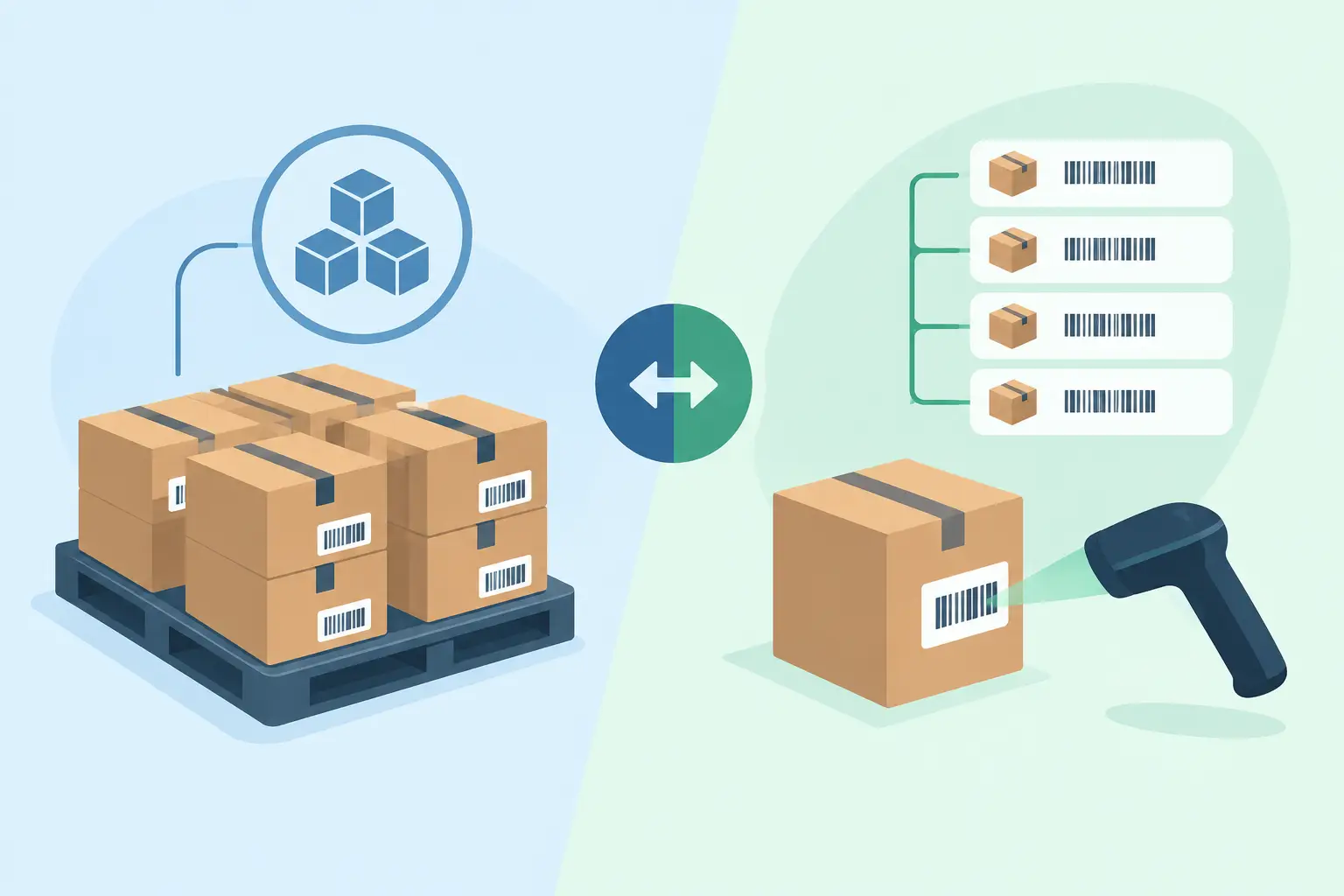
The same principle applies to traceability. Batch, serial and lot tracking are increasingly expected in food, processing and manufacturing operations, but their design needs to suit the business. Recording every movement may add unnecessary effort in some environments. Recording too little makes recalls, quality investigations and margin analysis difficult. The right level depends on product risk, regulation, customer requirements and the cost of an error.
OneBusiness approaches this need by combining core finance, inventory, production, sales and project modules with configurable workflows for operationally complex sectors. The aim is one connected record of the business, rather than another application that creates a new reconciliation task.
Analytics is shifting from monthly hindsight to operational action
Power BI and similar analytics tools are making it easier to combine ERP data into role-based dashboards. A warehouse manager may need stock accuracy, slow-moving items and picking performance. A production manager needs yield, downtime, work-in-progress and schedule adherence. Finance needs cash position, gross margin and overdue debtors.
The trend is not simply more dashboards. It is dashboards that lead to an action. A useful report highlights products nearing reorder points, jobs where actual labour is above plan or customer orders at risk because of a supply delay. It should also allow managers to trace the number back to the transaction, not leave them debating which spreadsheet is correct.
Businesses should be cautious about creating too many measures at once. A small set of agreed operational KPIs, reviewed regularly, will create more change than a large reporting pack no-one uses. Define ownership for each measure and agree what response is expected when it moves outside the target range.
Carbon accounting joins cost and operational reporting
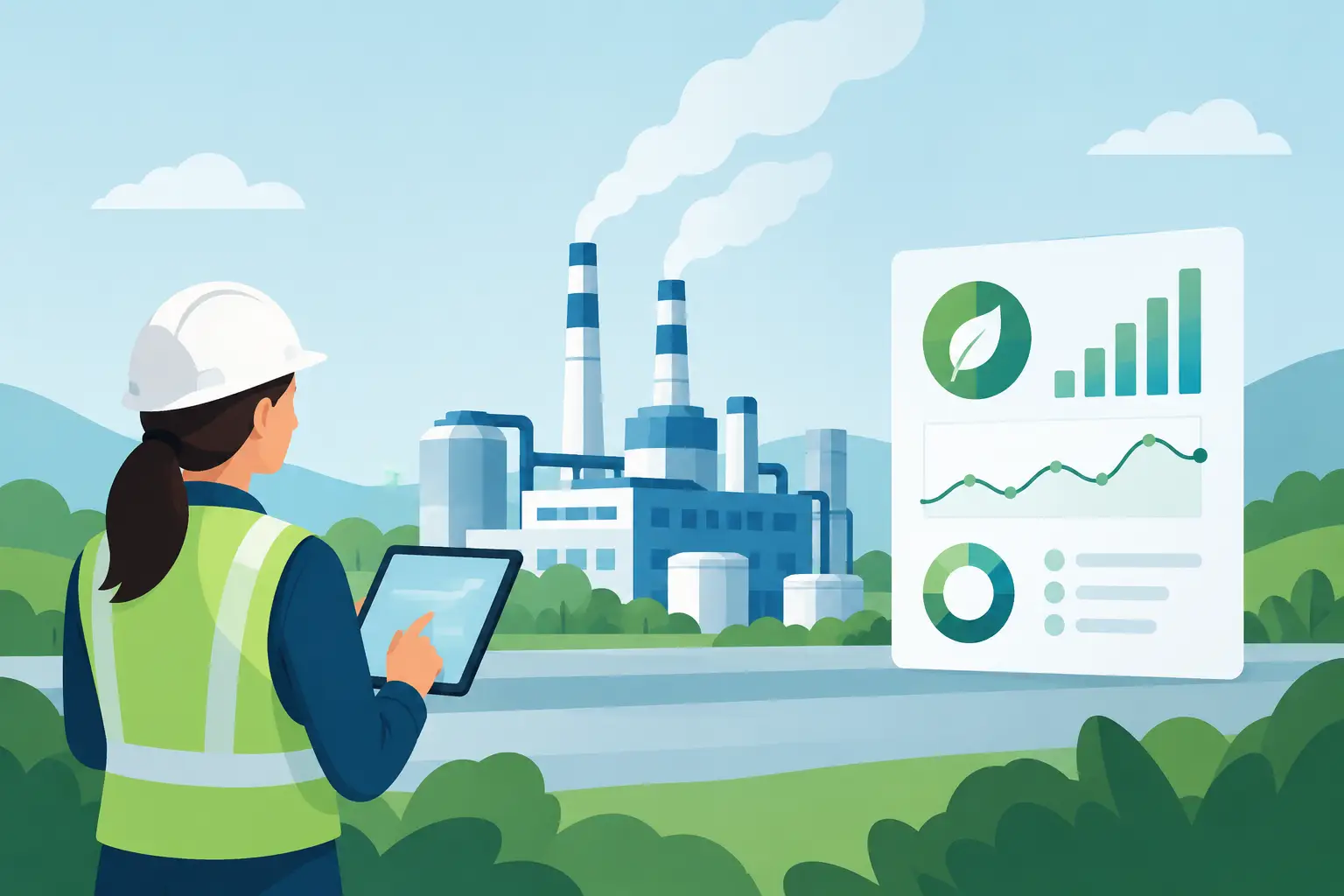
Carbon accounting is moving closer to core operational data because many of the inputs already sit in ERP and machine systems. Energy use, fuel, freight, purchased materials, waste and production volumes can all contribute to emissions reporting.
For organisations facing customer questionnaires, tender requirements or internal sustainability goals, manual collection is slow and difficult to audit. Connecting source data improves repeatability and helps leaders understand the relationship between emissions, operational efficiency and cost. A high-energy production run, for example, may be both a carbon issue and a margin issue.
Accuracy still depends on sound data definitions. Businesses need to decide which emission factors apply, who maintains them and how estimates are identified. Carbon reporting should be treated with the same discipline as financial reporting: clear source records, consistent methods and visible assumptions.
Security and governance are now automation requirements
As ERP automates more approvals and connects more devices, security cannot sit outside the implementation plan. Role-based access, multi-factor authentication, audit trails, backup routines and monitoring should be designed alongside workflows. A fast process that allows the wrong person to amend supplier bank details or release a production adjustment is not an improvement.
This is also where managed security services can help businesses without a large internal IT team. The right arrangement depends on risk, industry obligations and the systems already in place, but accountability should remain clear. Operations, finance and IT all need to understand who owns user access, data quality and incident response.
Where to focus first
The best automation roadmap usually starts where disconnected work creates the most cost, delay or risk. Look for processes with repeated data entry, frequent spreadsheet reconciliation, poor stock visibility, late invoicing, weak traceability or slow approval cycles. Map the process from the first event to the final financial outcome, including the workarounds staff use when the system does not support them.
Then choose a contained improvement that connects data across teams. Automating purchase-to-pay, quote-to-cash, production reporting or timesheet-to-invoice can deliver a visible result without attempting to redesign the entire business at once. Measure adoption as closely as savings. If warehouse staff, supervisors or finance users find the process difficult, the automation will not hold.
The organisations gaining most from ERP automation are not chasing every new feature. They are building a connected operating system around the work that determines service, cost, compliance and growth. Start with one decision your team currently makes too late, then design the data and workflow that will let them make it with confidence.