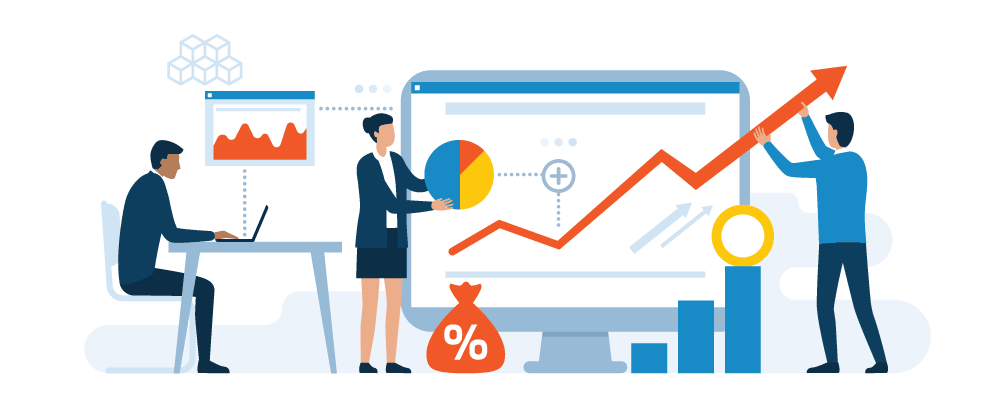
Business Forecasting: Powerful Benefits for Business Success and Growth
In today’s competitive digital business environment, business forecasting plays an important role in helping organizations plan for the future, manage resources, and make informed decisions. Although no forecast can predict the future with complete accuracy, analyzing historical data, market trends, customer demand, and business performance gives companies a clearer direction.
Project forecasting helps businesses estimate future requirements, identify potential risks, control costs, and prepare strategies for sustainable growth. When businesses forecast effectively, they can respond quickly to market changes and stay ahead of their competitors.
Business forecasting can require time, data, and careful analysis, but the benefits make it a valuable part of business planning. Even when predictions change, a well-prepared forecast provides a useful picture of possible future scenarios.
What Is Business Forecasting?
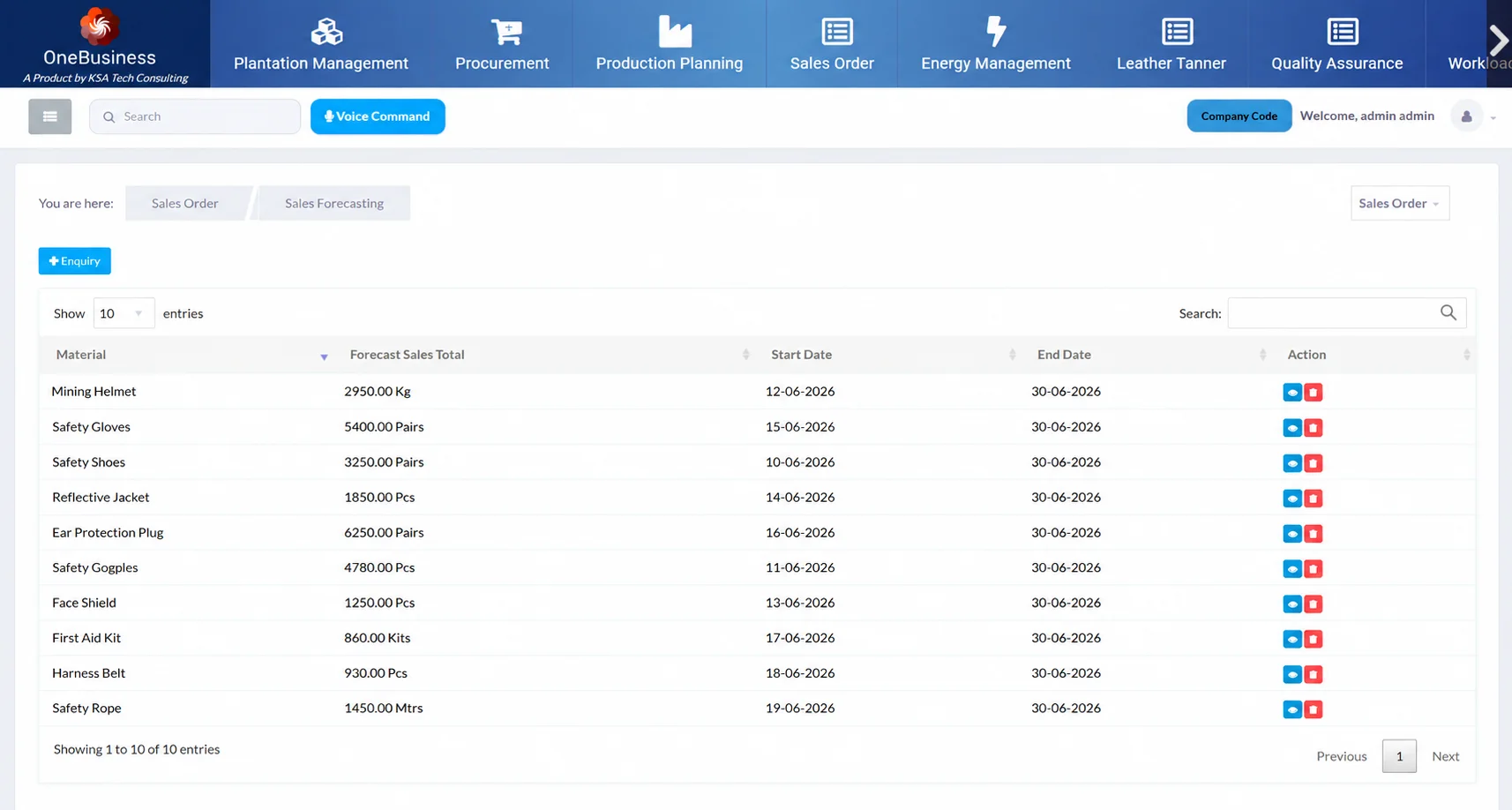
Business forecasting is the process of using historical information, current business data, market trends, and other relevant factors to estimate future business conditions. Companies use forecasting to predict sales, customer demand, expenses, staffing requirements, inventory levels, and project performance.
With the help of modern project planning software, businesses can organize forecasting information, monitor performance, and make better decisions based on available data.
Benefits of Business Forecasting
1. Helps Businesses Prepare for the Future
One of the main benefits of forecasting is that it helps businesses prepare for potential future situations. While companies cannot know exactly what will happen in the market, forecasting provides an estimated direction.
This allows organizations to develop effective risk management processes, adjust business objectives, and prepare alternative strategies. Forecasting can also help businesses identify changing market trends and take advantage of new opportunities.
2. Improves Customer Satisfaction
Customer satisfaction depends heavily on a company’s ability to provide products and services when customers need them. Demand forecasting helps businesses estimate future customer requirements and maintain appropriate production and inventory levels.
When products are consistently unavailable, customers may move to competing brands. By forecasting demand more effectively, businesses can reduce stock shortages and provide a better customer experience.
3. Helps Businesses Learn From Historical Data
Historical business and project risk management data can provide valuable insights into future performance. By analyzing previous sales, costs, project results, delays, and resource requirements, businesses can identify patterns and recurring problems.
This information helps organizations understand their weaknesses, improve decision-making, and develop strategies for better performance and profitability.
4. Encourages Businesses to Think Ahead
Forecasting encourages business owners and managers to focus on future growth instead of reacting only to current problems. Organizations can use forecasts to anticipate changing customer expectations, market conditions, and competitive pressures.
Planning ahead makes it easier to adjust business strategies and respond quickly when market conditions change.
5. Helps Control Staffing Costs
Forecasting can help organizations estimate the amount of production or work required during a specific period. This information can then be used with project scheduling software to determine how many employees and resources are required.
Hiring too many employees can increase unnecessary costs, while having too few employees can affect productivity and project deadlines. Accurate forecasting helps businesses maintain a more balanced workforce.
6. Helps Businesses Stay Competitive
Understanding expected sales and customer demand gives businesses an advantage in a competitive market. Forecasting allows companies to prepare products, services, resources, and marketing strategies before demand increases.
For small businesses in particular, retaining existing customers is important because acquiring new customers can require significant marketing investment. Accurate forecasting can help businesses maintain product availability and deliver consistent service.
7. Reduces Inventory and Operating Costs
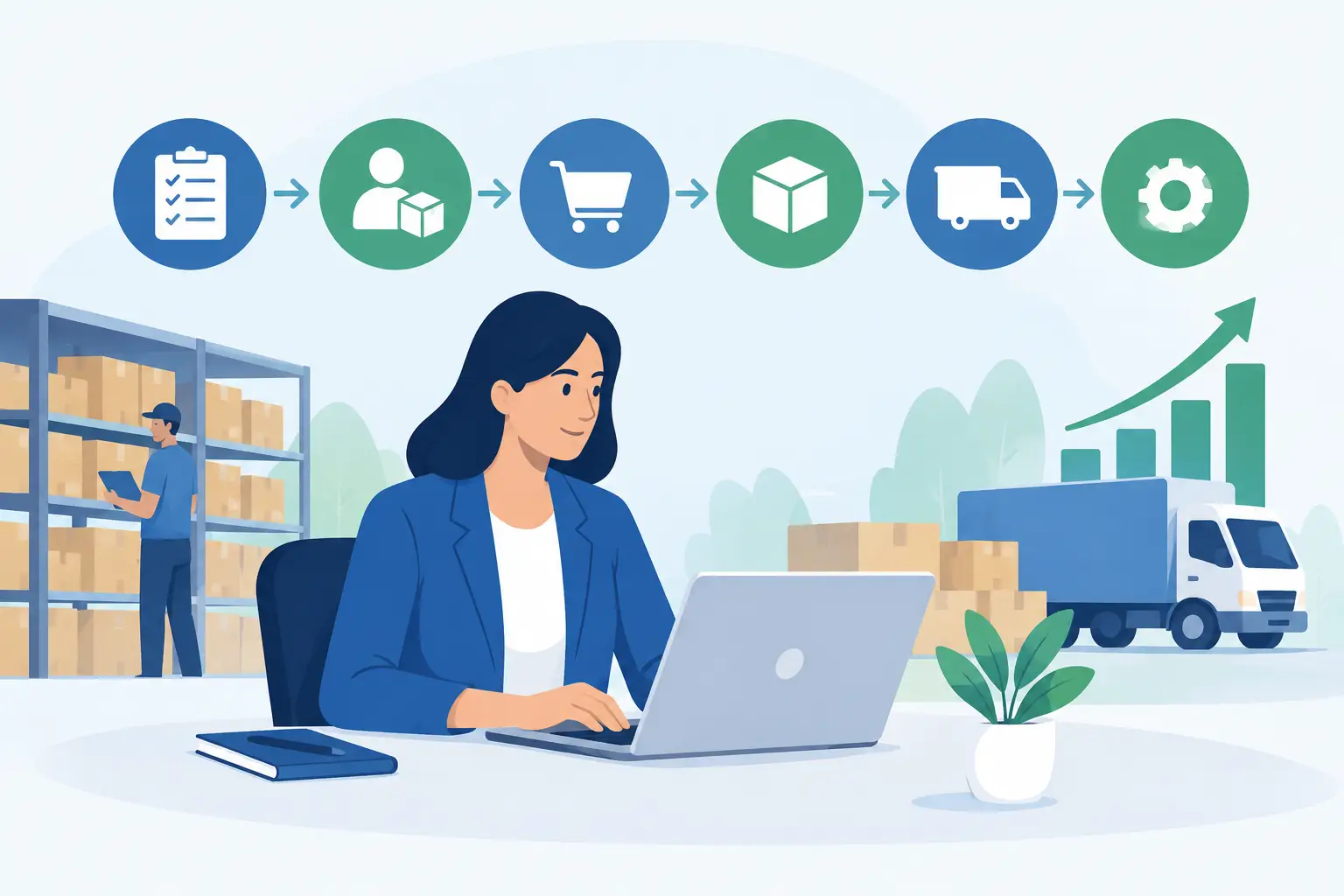
One of the most valuable benefits of forecasting is better inventory management. Businesses can estimate how much stock they are likely to need and avoid maintaining excessive inventory.
The best project planning software can help organizations coordinate planning activities and resource requirements. Maintaining the right inventory level can reduce warehouse, transportation, storage, and excess-stock costs.
It can also reduce the need for heavy discounts to clear surplus products.
8. Supports Business Financing
Forecasting is also useful when businesses seek loans or investment. Banks, lenders, and investors often need to understand a company’s expected sales, revenue, expenses, and growth potential before providing financing.
A well-prepared business forecast demonstrates that the organization has considered its future financial requirements and growth opportunities.
9. Helps Businesses Prepare for a Decline in Sales
Forecasting does not only help businesses prepare for growth. It can also identify potential periods of declining sales.
If a forecast indicates that customer demand may decrease, businesses can adjust production, inventory purchases, staffing, and operating expenses accordingly. This can prevent unnecessary inventory accumulation and reduce financial pressure.
At the same time, businesses can introduce promotional campaigns, improve customer engagement, or explore new markets to increase sales.
How Does Forecasting Support Business Growth?
Effective forecasting connects historical data with future business planning. It helps organizations answer important questions such as:
-
How much product will customers need?
-
How much inventory should be maintained?
-
How many employees are required?
-
What resources will a project need?
-
What costs can the business expect?
-
Could sales increase or decrease in the future?
-
What risks should management prepare for?
By answering these questions, organizations can make more informed decisions and allocate resources more effectively.
Use Project Forecasting Software for Better Planning
Managing forecasts manually can become difficult as a business grows. Project forecasting software can help organizations organize data, monitor project performance, estimate future requirements, and support better planning decisions.
An integrated ERP solution such as OneBusiness can help businesses connect planning and operational information in one system. This can make it easier to monitor business activities and use available data for informed decision-making.
Conclusion
Business forecasting is essential for sustainable business success and growth. It helps organizations anticipate customer demand, manage inventory, control staffing costs, prepare for risks, support financing decisions, and remain competitive.
Although forecasts cannot guarantee exactly what will happen in the future, they provide businesses with valuable insights and a clearer direction. By combining reliable data with effective project forecasting and planning software, organizations can make smarter decisions, respond to changing market conditions, and build strategies for long-term growth.
Follow KSA Tech Consulting on social media for updates, ERP insights, and business technology information:
Facebook: KSA Tech Consulting on Facebook
LinkedIn: KSA Tech Consulting on LinkedIn