ERP System Software: A Complete Guide to Streamlining Business Operations
Businesses today need accurate data, connected processes, and efficient workflows to remain competitive. ERP System Software helps organizations manage their core business activities through a centralized platform. From sales and customer management to inventory, finance, purchasing, and invoicing, an ERP system brings important business processes together in one place.
Instead of relying on multiple disconnected spreadsheets and software applications, businesses can use an ERP solution to improve visibility, reduce manual work, and make better decisions.
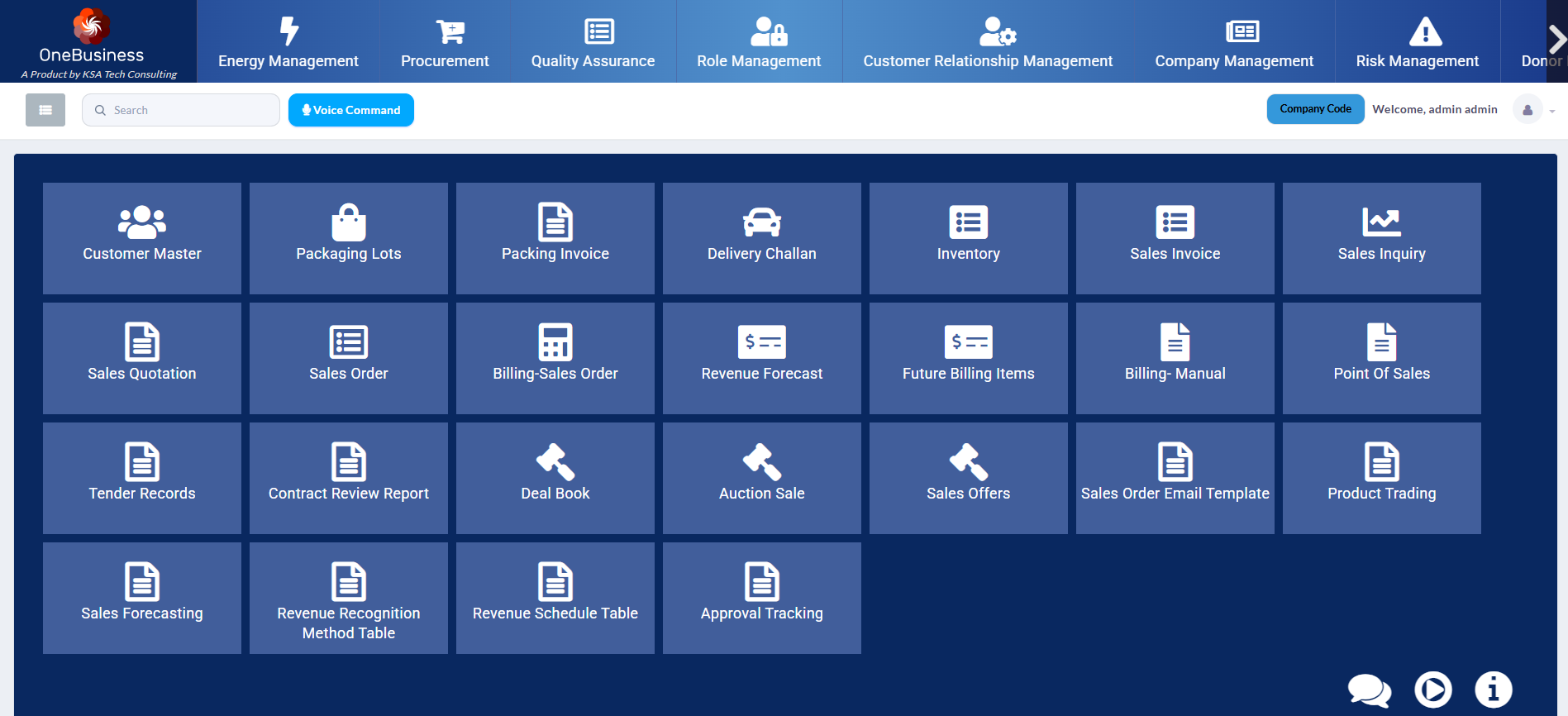
What Is ERP System Software?
ERP System Software, or Enterprise Resource Planning software, is a business management solution that integrates different departments, processes, and data into a single system.
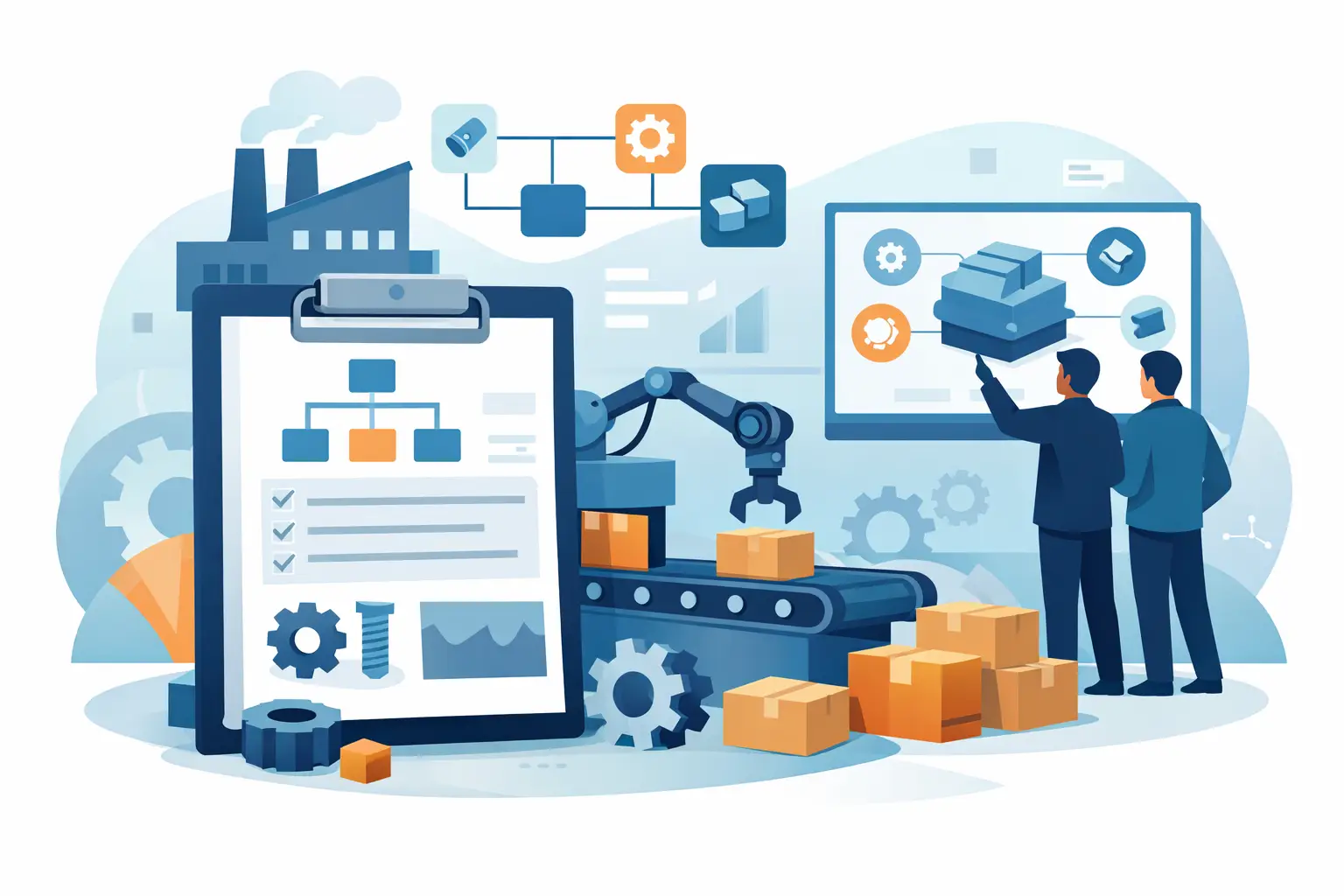
A modern ERP solution can help businesses manage Inventory Management, sales, purchasing, finance, customer management, and other core business operations.
Customer and sales processes
Inventory and warehouse operations
Purchasing and procurement
Finance and accounting
Employee and workforce management
Order processing and invoicing
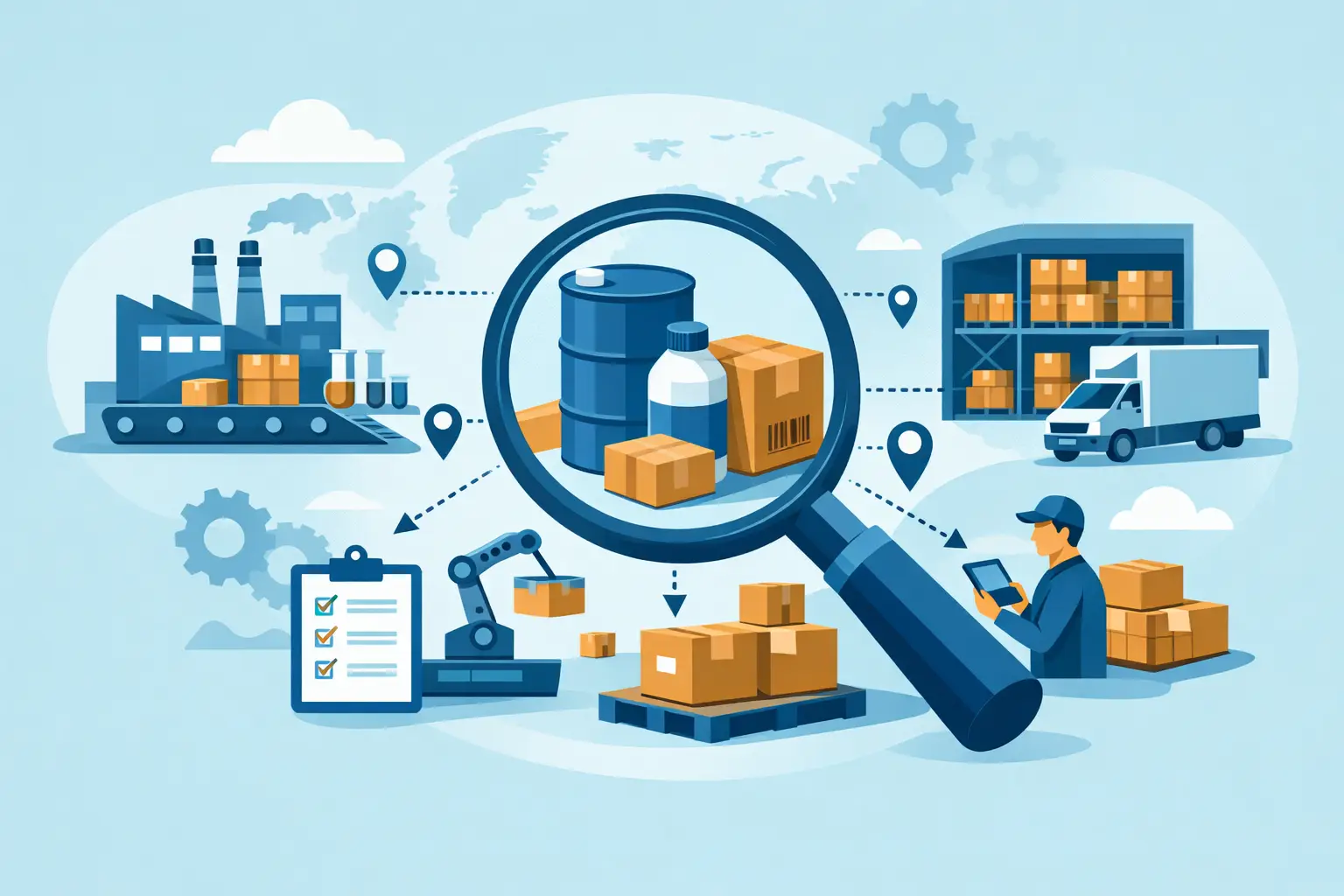
Production and supply chain activities
Business reporting and analytics
By connecting these processes, an ERP system provides a centralized source of information that helps teams work more efficiently and reduces the risk of duplicate or inaccurate data.
How Does an ERP System Help Businesses?
As a business grows, managing operations through separate applications and manual processes can become difficult. Information may be stored across different departments, making it harder to track orders, inventory, finances, and customer activities.
ERP System Software helps solve this challenge by integrating business processes into a unified platform.
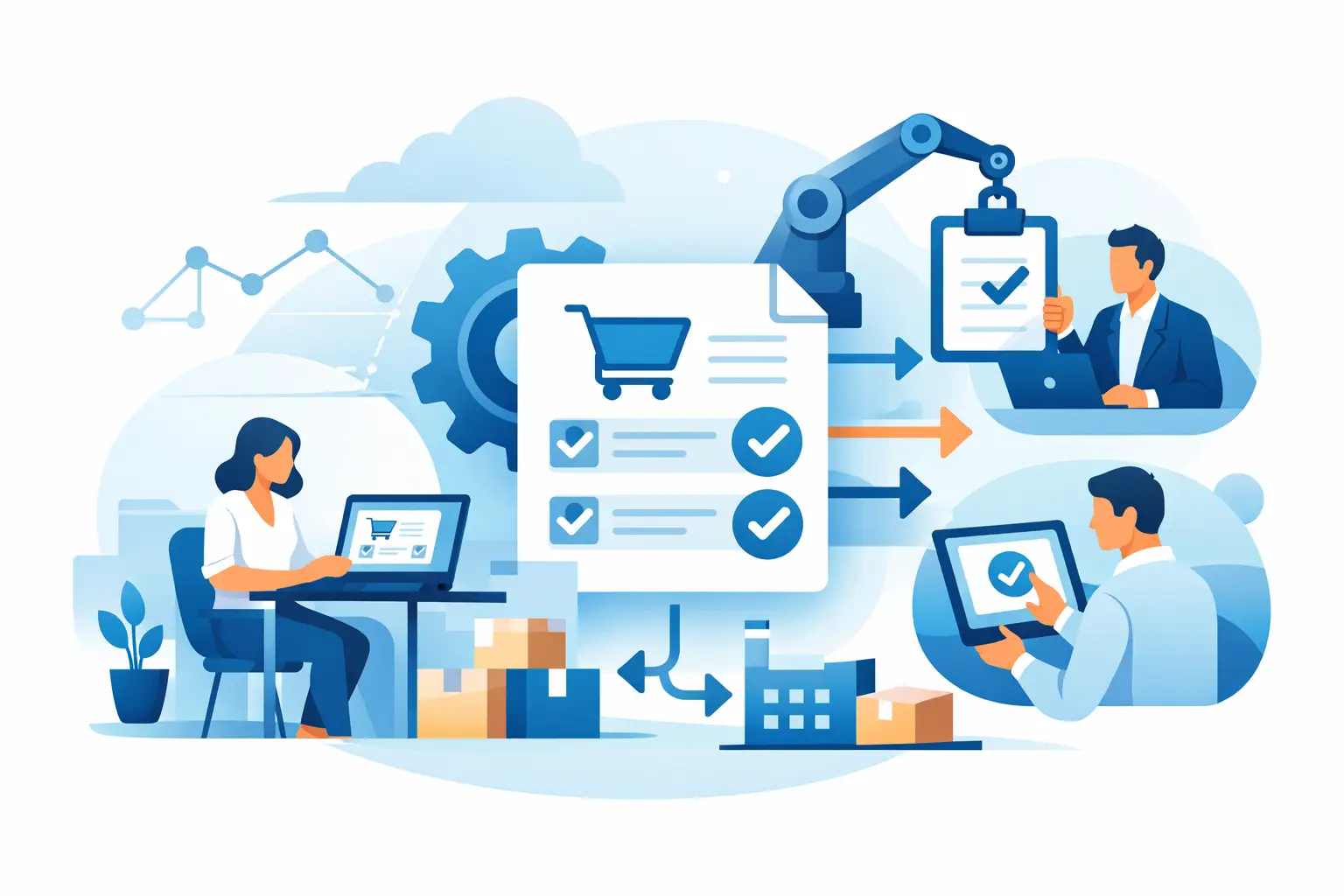
For example, when a sales order is created, the ERP system can connect the order with inventory availability, invoicing, purchasing, and financial records. This improves operational visibility and helps employees access the information they need more easily.
Why Should You Upgrade Your ERP System?
Older or disconnected business systems may not provide the flexibility and real-time insights required by growing organizations. Upgrading to a modern ERP solution can help businesses improve efficiency, automate repetitive tasks, and adapt to changing business requirements.
1. Improved Business Efficiency
A modern ERP system automates many routine business processes. This reduces manual data entry, minimizes errors, and allows employees to spend more time on valuable activities.
2. Centralized Business Data
ERP software stores important business information in a centralized system. Teams can access consistent and up-to-date information related to customers, inventory, sales, finance, and other operations.
3. Better Decision-Making
With access to real-time reports and business data, managers can make more informed decisions. ERP reporting and analytics can help identify trends, monitor performance, and support business planning.
4. Improved Customer Service
ERP systems provide better visibility into customer orders, inventory availability, delivery status, and invoices. This can help businesses respond to customer requests more quickly and accurately.
5. Scalable Business Operations
As your business grows, your operational requirements may also change. A flexible ERP solution can support additional users, departments, locations, and business processes as needed.
6. Integration with Existing Systems
Modern ERP software can integrate with other business applications, helping organizations connect their existing technology and reduce data silos.
Key Benefits of ERP System Software
Implementing the right ERP System Software can provide several long-term benefits for businesses.
Increased Productivity
Automation and streamlined workflows reduce repetitive tasks and improve employee productivity.
Better Inventory Management
Businesses can monitor stock levels, track inventory movement, and improve purchasing and replenishment decisions with effective Inventory Management Software.
Enhanced Financial Management
ERP software can help manage invoices, payments, expenses, accounting records, and financial reporting from a centralized system.
Improved Collaboration
Different departments can access relevant business information through the same platform, improving communication and coordination.
Greater Operational Visibility
Business owners and managers can gain a clearer view of sales, inventory, finance, procurement, and other important operations.
Reduced Manual Errors
By reducing duplicate data entry and automating workflows, ERP systems can help improve data accuracy.
What Can You Accomplish with an ERP Solution?
An ERP solution can support the digital transformation of your organization by connecting people, processes, and business data.
With the right ERP system, businesses can:
Automate routine business processes
Manage sales orders and customer information
Improve inventory and warehouse control
Streamline purchasing and procurement
Simplify invoicing and financial processes
Monitor business performance through reports
Improve collaboration between departments
Create customized workflows based on business requirements
Support business growth with scalable technology
A centralized ERP platform helps organizations spend less time managing disconnected systems and more time focusing on customers, operations, and business growth.
How to Choose the Right ERP System Software
Choosing the right ERP solution depends on your organization’s size, industry, processes, and future requirements. Before selecting an ERP system, consider the following factors:
Business Requirements
Identify the processes that need improvement, such as inventory management, sales, finance, manufacturing, or customer management.
Customization and Flexibility
Choose an ERP solution that can adapt to your business processes instead of forcing your organization to completely change the way it operates.
Scalability
Your ERP software should support future growth, including additional users, departments, locations, and business functions.
Integration Capabilities
Consider whether the ERP system can integrate with your existing applications and business tools.
Reporting and Analytics
Look for reporting features that provide useful insights into your business performance and support better decision-making.
Ease of Use
An intuitive and user-friendly ERP system can improve employee adoption and reduce the time required for training.
Conclusion
ERP System Software is an important tool for businesses that want to improve efficiency, centralize data, and streamline daily operations. By integrating processes such as sales, inventory, purchasing, finance, customer management, and invoicing, an ERP solution can provide greater visibility and control across the organization.
The right ERP system can help reduce manual work, improve data accuracy, support better decision-making, and create a strong foundation for future growth. Whether you are a small business or a growing enterprise, investing in a flexible and scalable ERP solution can support your digital transformation journey.
Explore how OneBusiness ERP can help streamline your business operations and support growth with an integrated ERP solution.
For more updates about ERP software, business technology, and digital transformation, follow KSA Tech Consulting on Facebook and connect with KSA Tech Consulting on LinkedIn.