Benefits of Using Agile Methodology: How Agile Project Management Improves Software Development
In today’s competitive business environment, software development teams must deliver high-quality products quickly while adapting to changing customer needs. Traditional project management approaches can sometimes make it difficult to respond to new requirements once a project is underway.
This is where Agile methodology can make a significant difference.
Agile methodology helps teams break large projects into smaller, manageable phases, allowing them to develop, test, review, and improve the product continuously. With the right project management software, businesses can also improve collaboration, task tracking, budgeting, resource management, and overall project visibility.
What Is Agile Methodology?
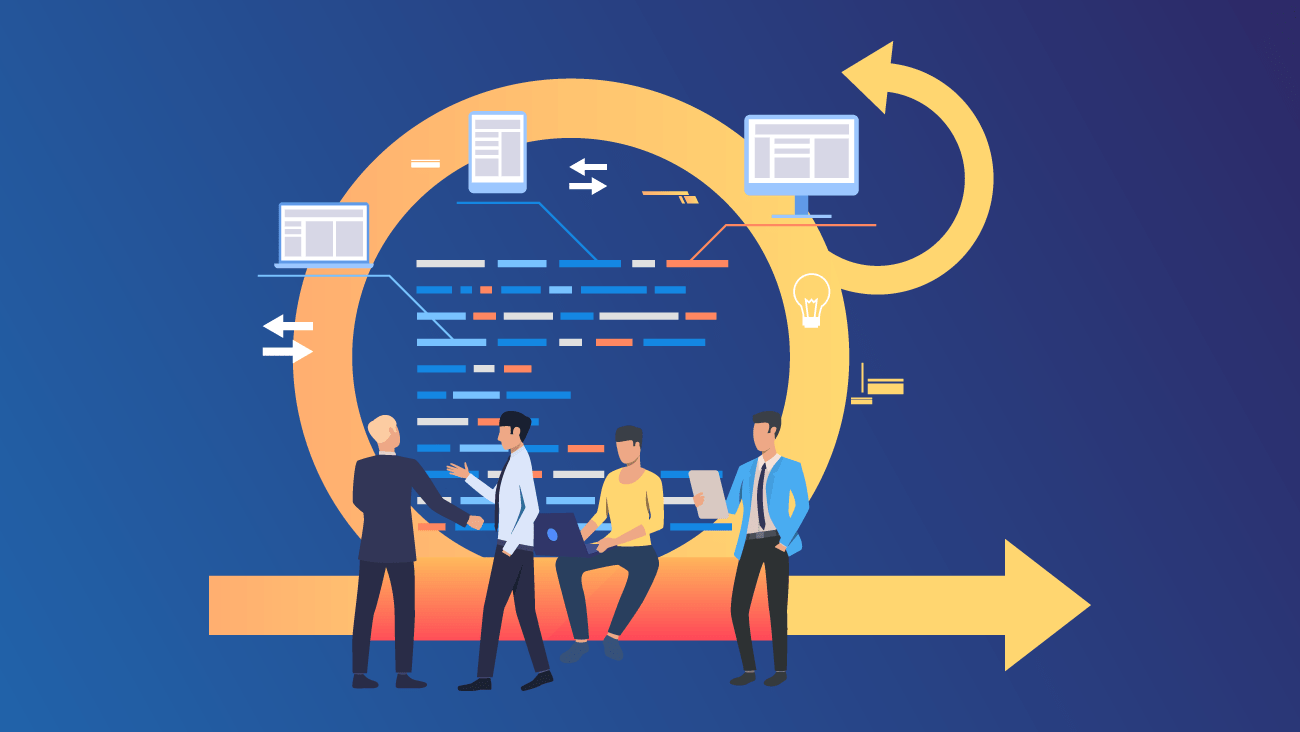
Agile methodology is an iterative and incremental approach to project and software development. Instead of completing an entire project in one long development cycle, Agile teams divide the work into smaller periods called sprints or iterations.
During each sprint, the team focuses on completing a specific set of tasks or features. At the end of the sprint, the work is reviewed and tested, and feedback can be collected before the team moves on to the next stage.
A typical Agile workflow includes:
-
Planning and prioritising requirements
-
Dividing the project into smaller tasks
-
Completing work in short development cycles
-
Testing and reviewing completed features
-
Collecting stakeholder or customer feedback
-
Improving and adapting the project in the next sprint
This flexible approach allows teams to respond more effectively to changing business requirements and customer expectations.
Key Benefits of Using Agile Methodology
1. Faster Delivery of Working Software
One of the biggest benefits of Agile methodology is faster and more frequent delivery.
Instead of waiting until the entire project is completed, Agile teams can deliver smaller, functional parts of the product throughout the development process. This allows stakeholders and customers to see progress earlier and provide feedback while the project is still evolving.
As a result, businesses can potentially bring products and features to market faster.
2. Greater Flexibility for Changing Requirements
Business requirements and customer expectations can change during a project. Agile methodology is designed to support this type of flexibility.
After each sprint, teams can review priorities and make adjustments based on:
-
Customer feedback
-
New business requirements
-
Market changes
-
Technical challenges
-
Project priorities
This makes Agile particularly useful for software and product development projects where requirements may evolve over time.
3. Improved Product Quality Through Continuous Testing
Regular testing and reviews are important parts of the Agile development process.
By testing features throughout the project rather than waiting until the final stage, teams can identify potential issues earlier. Early identification of errors can make problems easier to address before they affect other parts of the project.
Continuous testing and improvement can help development teams maintain better control over product quality.
4. Better Collaboration and Communication
Successful Agile projects depend on strong communication between developers, project managers, stakeholders, and customers.
Team members need to understand:
-
What tasks need to be completed
-
Who is responsible for each task
-
Which tasks are currently in progress
-
What issues or blockers are affecting the project
-
How the project is progressing
A centralised project management software solution can support this collaboration by giving teams a shared platform for tasks, updates, documents, schedules, and project information.
5. Better Visibility Into Project Progress
Managing multiple tasks, team members, deadlines, and resources can become challenging without proper visibility.
Project management software can help teams monitor:
-
Pending tasks
-
Tasks in progress
-
Completed tasks
-
Project milestones
-
Resource allocation
-
Deadlines and priorities
Real-time project visibility allows managers and team members to identify delays and potential issues earlier.
Why Agile Teams Need Project Management Software
While Agile methodology provides a structured approach to managing work, the right technology can make implementation easier.
A comprehensive project management system can help Agile teams organise and monitor different aspects of a project from a central platform.
For example, project management software can support:
Project Planning
Teams can organise project activities, define priorities, assign responsibilities, and establish deadlines. Breaking a large project into smaller tasks makes the overall workload easier to manage.
Task and Resource Management
Project managers can assign tasks to team members and monitor workloads. This helps improve accountability and provides better visibility into resource utilisation.
Budget Management
Budget control is an important part of successful project delivery. Project management software can help businesses compare planned costs with actual project expenses and improve financial visibility.
Timesheet and Billing Management
Software development companies may charge clients based on hourly work, project milestones, or fixed fees.
A project management system with timesheet and billing capabilities can help businesses track work more accurately and support transparent billing processes.
Document Management and File Sharing
Project documents can quickly become difficult to manage when teams use multiple communication and storage platforms.
Centralised document management and file-sharing features can help team members access the latest project information and collaborate more efficiently.
5 Additional Benefits of Project Management Software for Agile Teams
1. Faster Collaboration and Communication
Effective communication is essential for successful Agile project management. Team members often work on different tasks that contribute to the same project goal.
A centralised project management platform can reduce communication gaps by providing a shared space for tasks, updates, discussions, and project information.
This can help teams collaborate more efficiently and stay aligned with project priorities.
2. Improved Budget Control
Poor budget management can put a project at risk.
Project management software can help managers monitor budgets, costs, and project expenses more effectively. Better financial visibility can support informed decision-making throughout the project lifecycle.
3. Real-Time Project Monitoring
Modern project management systems make it easier to monitor project activity.
Teams can see which tasks are:
-
Not started
-
In progress
-
Under review
-
Completed
-
Delayed
This visibility helps project managers identify potential bottlenecks and take action before delays significantly affect project delivery.
4. Better Document Organisation
Teams often create, edit, and share large numbers of documents during a project.
Without a centralised system, it can be difficult to identify the latest version of a document. Project management software can improve document organisation and make information easier for authorised team members to access.
5. Increased Transparency and Accountability
When project information is visible to relevant team members, there is greater transparency across departments and teams.
Team members can understand project priorities, track responsibilities, and monitor progress. This can improve accountability and encourage better collaboration toward shared project goals.
Agile Methodology vs Traditional Project Management
Agile methodology is not necessarily the right approach for every project.
Agile is generally well suited to projects where requirements may change, particularly in software and product development. Teams can continuously review their work and adapt their priorities based on feedback.
Traditional approaches, such as the Waterfall methodology, may be more appropriate when project requirements are clearly defined from the beginning and major changes are less likely.
The right methodology depends on factors such as:
-
Project size and complexity
-
Stability of requirements
-
Customer involvement
-
Industry requirements
-
Project timeline
-
Team structure
How OneBusiness Supports Agile Project Management
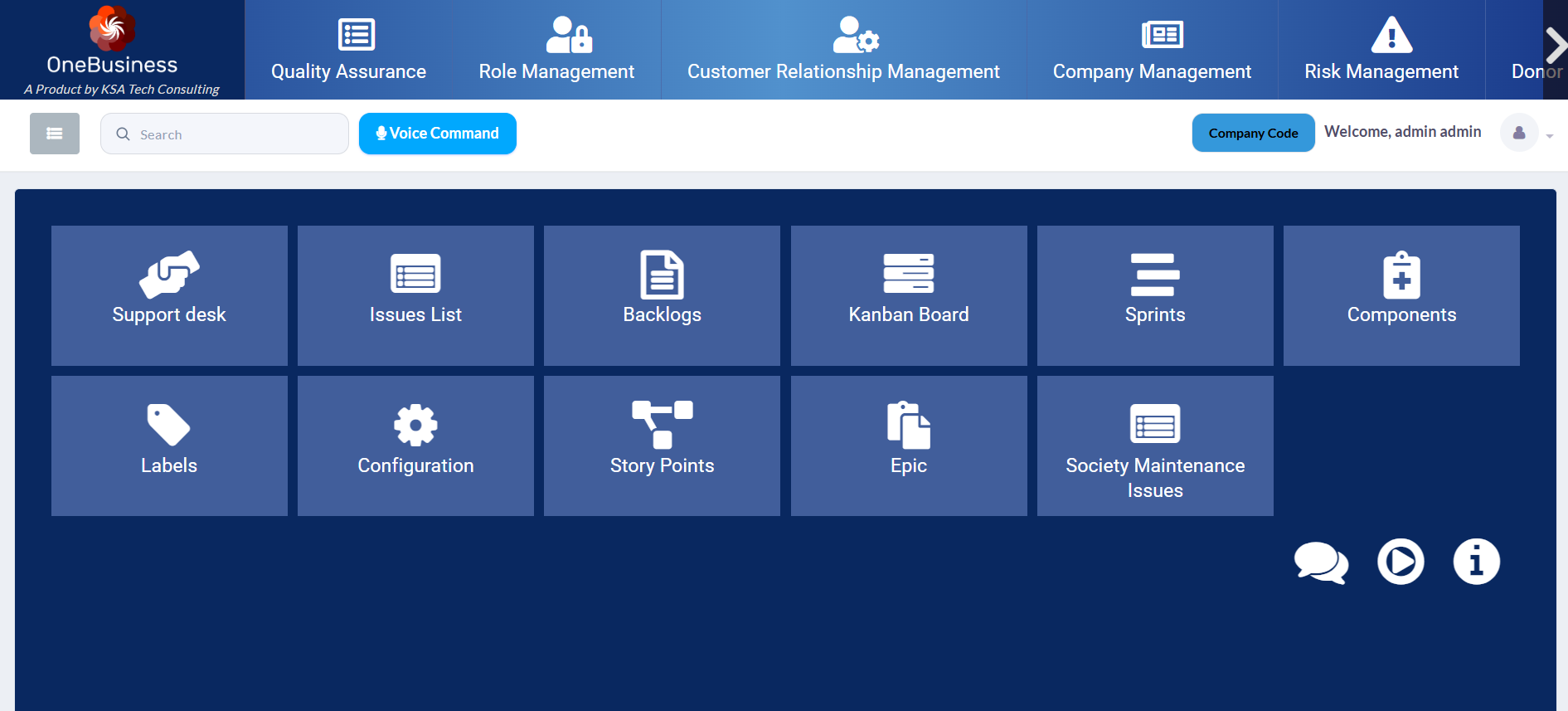
OneBusiness ERP provides project management capabilities that can help businesses organise and manage different aspects of their projects from a centralised system.
With features designed to support areas such as project planning, task management, resource management, budgeting, timesheets, reporting, and collaboration, businesses can gain better visibility into their project activities.
For software development teams using Agile methodology, a centralised project management platform can help teams:
-
Organise projects into manageable tasks
-
Track work and project progress
-
Improve communication and collaboration
-
Monitor resources and workloads
-
Manage project budgets
-
Track timesheets and billing activities
-
Improve reporting and project visibility
By combining an effective Agile process with suitable project management technology, businesses can create a more organised approach to managing complex projects.
Frequently Asked Questions About Agile Methodology
What are the main benefits of using Agile methodology?
The main benefits of Agile methodology include greater flexibility, faster delivery of working features, continuous feedback, improved collaboration, better project visibility, and the ability to identify and address issues throughout the development process.
What is Agile methodology in simple words?
Agile methodology is a way of managing projects by dividing work into smaller cycles or sprints. Teams complete, test, review, and improve small portions of the project rather than waiting until the entire project is finished.
Why is Agile methodology popular in software development?
Agile is popular because software requirements can change frequently. The iterative approach allows development teams to review progress regularly, collect feedback, and adjust priorities as the project evolves.
Does Agile methodology require project management software?
Agile methodology can be implemented without specialised software, but project management software can make it easier to organise tasks, track progress, manage resources, collaborate with team members, and monitor project information from a central platform.
How does project management software support Agile teams?
Project management software can support Agile teams by providing tools for task management, project planning, collaboration, timesheet tracking, budget monitoring, reporting, resource management, and document sharing.
Transform Your Project Management Process
Managing projects involves coordinating people, tasks, deadlines, budgets, resources, and customer expectations. Without the right processes and tools, it can be easy for teams to lose visibility into project progress.
Agile methodology provides a flexible approach to project delivery by encouraging continuous planning, collaboration, testing, feedback, and improvement.
When supported by an effective project management platform such as OneBusiness ERP, businesses can improve project visibility, strengthen collaboration, manage resources more effectively, and keep teams focused on successful project delivery.
By adopting Agile practices and using the right project management tools, organisations can create a more flexible, transparent, and efficient approach to delivering software and other complex projects.
Follow KSA Tech Consulting for more ERP, project management, and business technology updates: