
Procurement Planning: A Complete Guide to Project Procurement and Resource Management
What Is Procurement Planning?
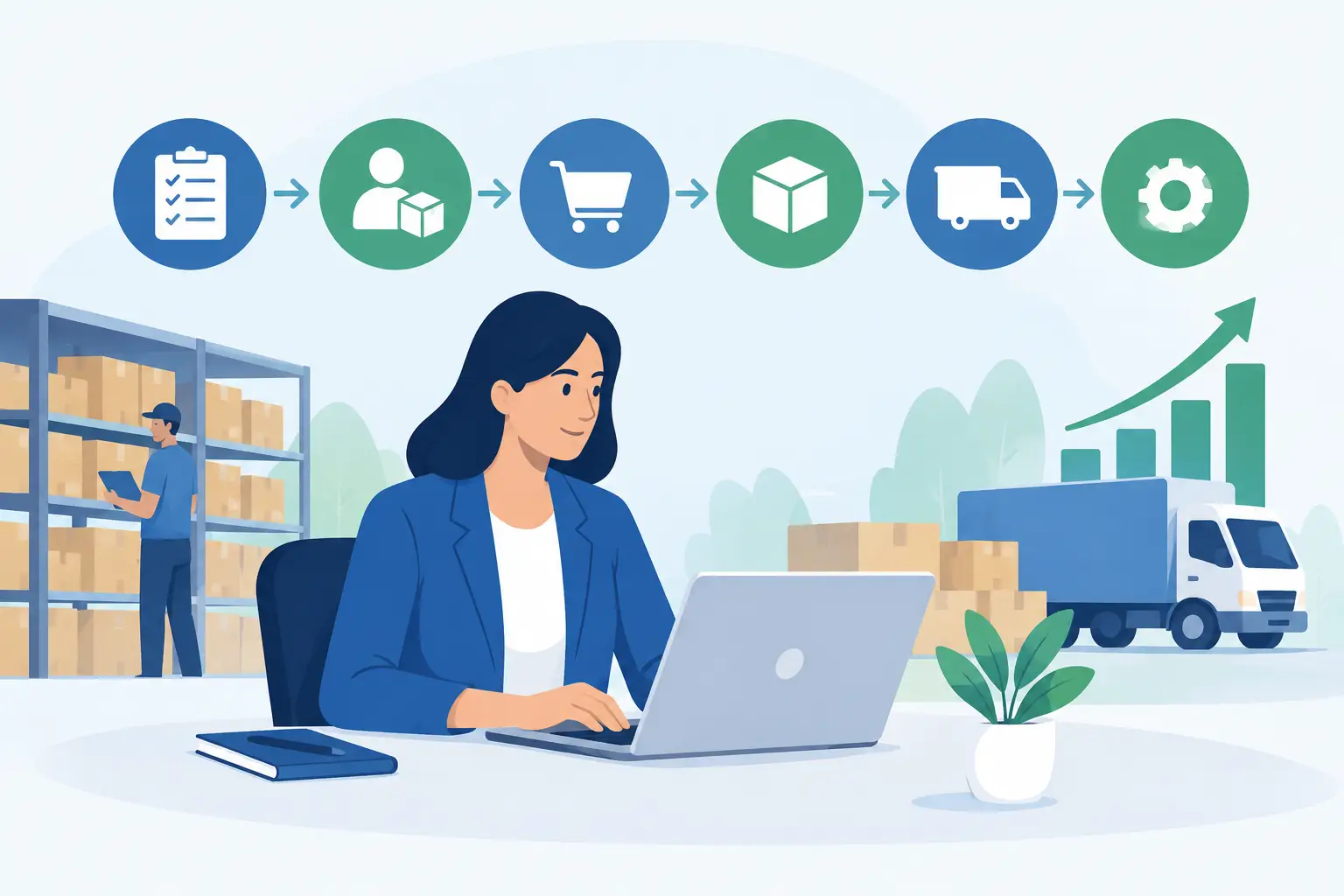
Procurement planning is the process of identifying what an organization needs to purchase, determining when those resources are required, and deciding where and how they should be sourced. In project management, effective procurement planning helps organizations ensure that materials, equipment, products, and services are available at the right time and within the planned budget.
A well-structured project procurement process connects procurement requirements with the overall project schedule. This allows project managers and procurement teams to plan purchases in advance, reduce delays, control costs, and improve resource availability.
In an ERP or project management system, procurement planning can be linked directly to project tasks. Each task can have a planned start date, end date, assigned role, responsible employee, and percentage-complete value. By tracking task progress, organizations can also monitor procurement requirements and identify potential delays before they affect the project.
What Is Project Procurement?
Project procurement refers to the process of acquiring the materials, products, equipment, and services required to complete a project successfully.
For example, a construction project may require raw materials, machinery, subcontractor services, safety equipment, and other resources. Planning these requirements according to the project schedule ensures that resources are available when they are needed.
An effective project procurement process generally includes:
-
Identifying procurement requirements
-
Defining required materials and services
-
Estimating quantities and costs
-
Determining procurement timelines
-
Identifying suitable suppliers
-
Comparing supplier quotations
-
Creating purchase requirements and orders
-
Monitoring deliveries
-
Tracking procurement progress
-
Managing supplier performance and warranties
When procurement activities are properly connected with project tasks, project teams gain better visibility into both project progress and procurement progress.
Why Is Procurement Planning Important?
Procurement planning is important because purchasing activities directly affect project cost, schedule, quality, and resource availability. Without proper planning, organizations may experience material shortages, delayed deliveries, emergency purchases, higher costs, or inefficient supplier management.
A structured procurement plan helps organizations:
1. Reduce Project Delays
Planning procurement requirements in advance ensures that essential materials and services are available before the related project task begins. This reduces the risk of work being delayed because of unavailable resources.
2. Improve Cost Control
Organizations can estimate procurement costs before purchasing begins. This makes it easier to prepare budgets, compare supplier prices, and control unnecessary expenses.
3. Improve Resource Availability
Procurement planning provides visibility into future material and service requirements. Project managers can coordinate procurement activities according to the project schedule.
4. Maintain Quality
By defining procurement specifications and evaluating suppliers systematically, organizations can improve the quality and consistency of purchased materials and services.
5. Improve Delivery Management
A procurement schedule helps teams monitor expected delivery dates and take corrective action when suppliers are unable to meet agreed timelines.
6. Strengthen Supplier Management
Procurement planning creates a structured approach to supplier selection, quotation comparison, purchasing, delivery tracking, and supplier performance evaluation.
7. Reduce Operational Costs
Advance planning can reduce urgent purchases, unnecessary transportation costs, excess inventory, and other avoidable operating expenses.
The Role of Procurement Planning in Project Management
Procurement planning plays an important role in connecting project management, purchasing, budgeting, and resource management.
Before procurement begins, project stakeholders should understand exactly what resources are required, when they are required, and why they are required.
The process typically involves the following steps:
-
Identify project requirements
Determine the materials, products, equipment, and services needed to complete the project. -
Link requirements with project tasks
Connect procurement requirements with the tasks that depend on those resources. -
Determine procurement timelines
Identify when each item or service must be available based on task start and end dates. -
Estimate quantities and costs
Determine required quantities and prepare preliminary cost estimates. -
Identify potential suppliers
Evaluate suppliers based on price, quality, availability, delivery time, and reliability. -
Plan purchasing activities
Establish the procurement schedule and purchasing process. -
Monitor procurement progress
Track purchase requests, purchase orders, deliveries, and outstanding requirements. -
Compare planned and actual progress
Monitor whether procurement activities are progressing according to the project schedule.
This approach helps organizations identify procurement risks early and take corrective action before they impact project completion.
Procurement Planning vs. Procurement Plan
Although the terms procurement planning and procurement plan are closely related, they have different meanings.
Procurement planning is the overall process of determining how an organization will manage its purchasing requirements. It includes identifying needs, analyzing requirements, selecting procurement methods, evaluating suppliers, estimating costs, and establishing timelines.
A procurement plan, on the other hand, is the documented outcome of that planning process. It provides a structured overview of what needs to be purchased, when it is required, the estimated cost, and how the organization intends to procure it.
In simple terms:
Procurement planning is the process; the procurement plan is the result.
For a specific project, the procurement plan can become a practical roadmap for managing materials, services, suppliers, costs, and delivery schedules.
How Procurement Planning Works With Project Tasks
One of the most effective approaches to project procurement is connecting procurement requirements directly with project tasks.
A project task normally includes information such as:
-
Task name
-
Planned start date
-
Planned end date
-
Assigned role
-
Responsible employee
-
Task status
-
Percentage completed
-
Required materials or services
When procurement requirements are associated with these tasks, project teams can determine exactly when resources are needed.
For example, if a project task is scheduled to begin on 15 October and requires specific raw materials, procurement activities should be completed before the task begins. If the materials are delayed, the project manager can immediately identify the potential impact on the task schedule.
This creates a connection between task progress and procurement progress, improving overall project visibility.
Benefits of Linking Procurement With Project Tasks
Integrating procurement activities with project tasks provides several advantages.
Better Planning
Project managers can identify procurement requirements based on upcoming tasks instead of making purchasing decisions at the last minute.
Improved Visibility
Teams can see which materials or services have already been procured and which requirements are still pending.
Early Identification of Delays
If a required purchase or delivery is delayed, project managers can identify the issue before the related task is affected.
Better Budget Management
Procurement costs can be compared with project budgets and planned costs.
Improved Accountability
Assigning procurement and project responsibilities to specific users makes it easier to monitor ownership and follow up on pending activities.
Accurate Project Progress Tracking
Procurement progress can be considered alongside task completion, giving management a more complete view of project performance.
Procurement Planning in ERP Software
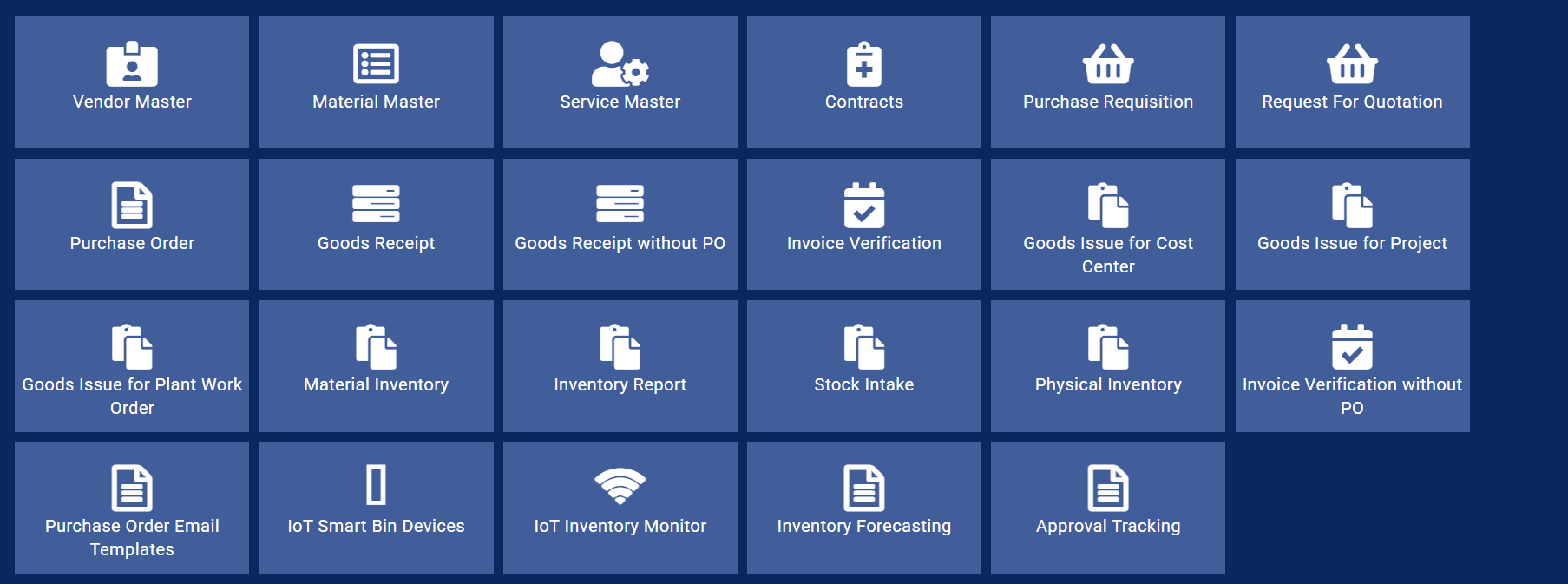
Modern ERP software can simplify procurement planning by bringing project management, purchasing, inventory, supplier management, and financial information into a single system.
Instead of maintaining procurement information across spreadsheets, emails, and separate applications, organizations can manage procurement activities through an integrated ERP platform.
A project procurement solution can help organizations manage:
-
Project procurement requirements
-
Material requirements
-
Service requirements
-
Supplier information
-
Purchase requests
-
Purchase orders
-
Delivery schedules
-
Procurement costs
-
Project tasks
-
Procurement status
-
Supplier performance
-
Warranty information
-
Planned vs. actual procurement
This integrated approach improves data accuracy and provides management with a centralized view of procurement activities.
How OneBusiness ERP Supports Procurement Planning
OneBusiness ERP helps organizations manage business processes through an integrated ERP environment. By connecting Project Management Software with procurement requirements, organizations can improve visibility into material and service requirements throughout the project lifecycle.
With a structured procurement planning process, project teams can identify what needs to be purchased, determine when it is required, and monitor procurement activities according to project schedules.
This can help businesses improve:
-
Procurement visibility
-
Project resource planning
-
Supplier coordination
-
Purchase cost control
-
Delivery monitoring
-
Task and project tracking
-
Procurement efficiency
By connecting procurement with project management, organizations can move from reactive purchasing to planned and proactive procurement management.
Best Practices for Effective Procurement Planning
To achieve better results from procurement planning, organizations should follow a structured approach.
Define Requirements Clearly
Clearly document the materials, quantities, specifications, and services required for each project.
Align Procurement With the Project Schedule
Procurement dates should be planned according to when resources are required for project tasks.
Evaluate Suppliers Carefully
Consider price, quality, delivery capability, reliability, and previous supplier performance before selecting a supplier.
Monitor Procurement Continuously
Do not wait until the project is delayed. Track procurement status throughout the project lifecycle.
Compare Planned and Actual Performance
Regularly compare planned procurement dates and costs with actual results to identify deviations.
Maintain Accurate Data
Keeping project, material, supplier, and procurement information updated helps management make better decisions.
Conclusion
Procurement planning is an essential part of successful project management and resource planning. By identifying purchasing requirements in advance and aligning them with project tasks and schedules, organizations can reduce delays, control costs, improve resource availability, and strengthen supplier relationships.
The integration of procurement planning with project management and ERP software provides even greater visibility and control. Organizations can track procurement requirements, monitor deliveries, compare planned and actual progress, and respond quickly to potential issues.
For businesses managing multiple projects, materials, suppliers, and purchasing activities, an integrated ERP solution such as OneBusiness ERP can help create a more organized, transparent, and efficient procurement process.
Effective procurement is not simply about deciding what to buy and where to buy it. It is about ensuring that the right resource is available at the right time, at the right cost, and with the required quality to keep the project moving toward successful completion.
Follow KSA Tech Consulting on social media for updates, ERP insights, and business technology information:
Facebook: KSA Tech Consulting on Facebook
LinkedIn: KSA Tech Consulting on LinkedIn